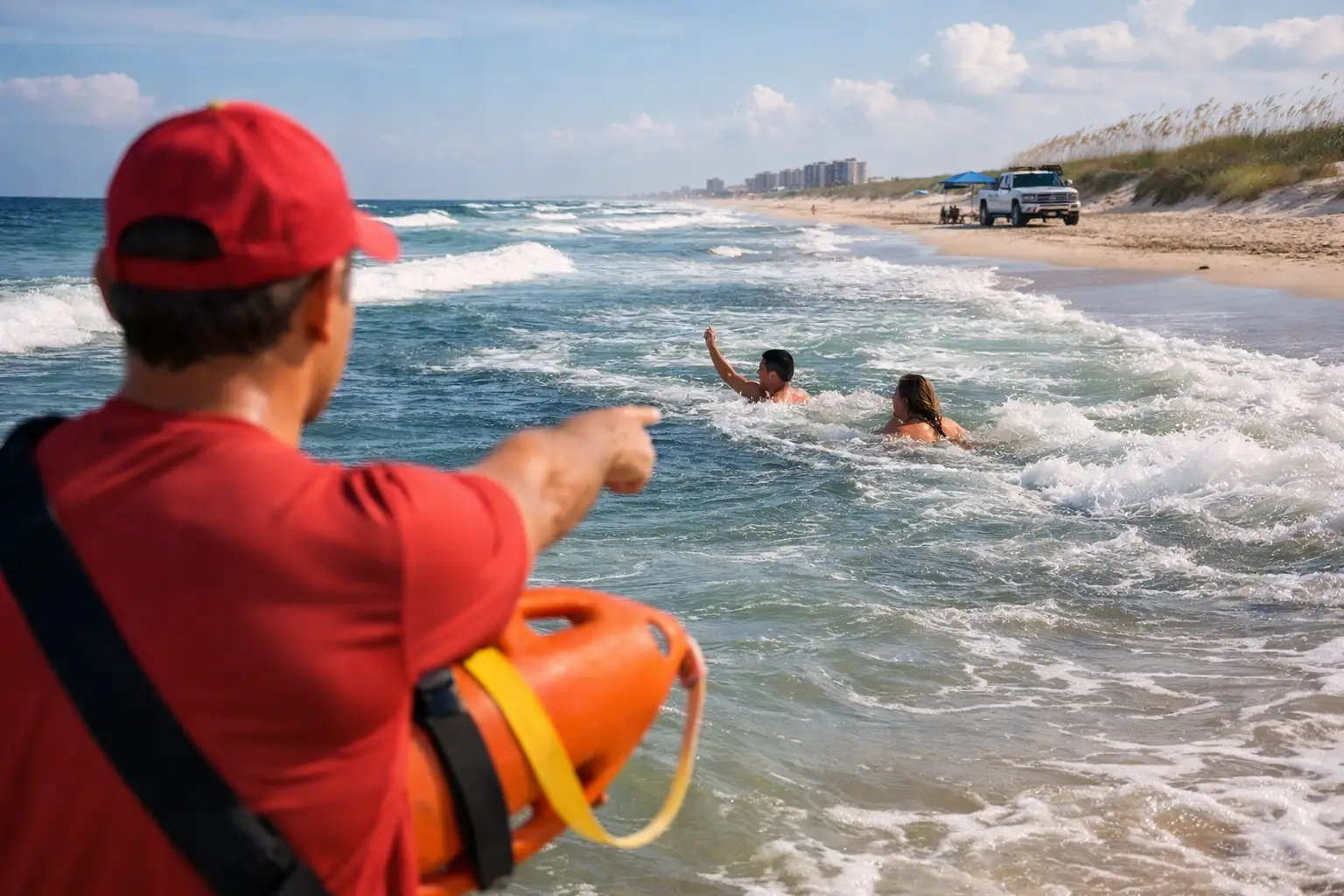
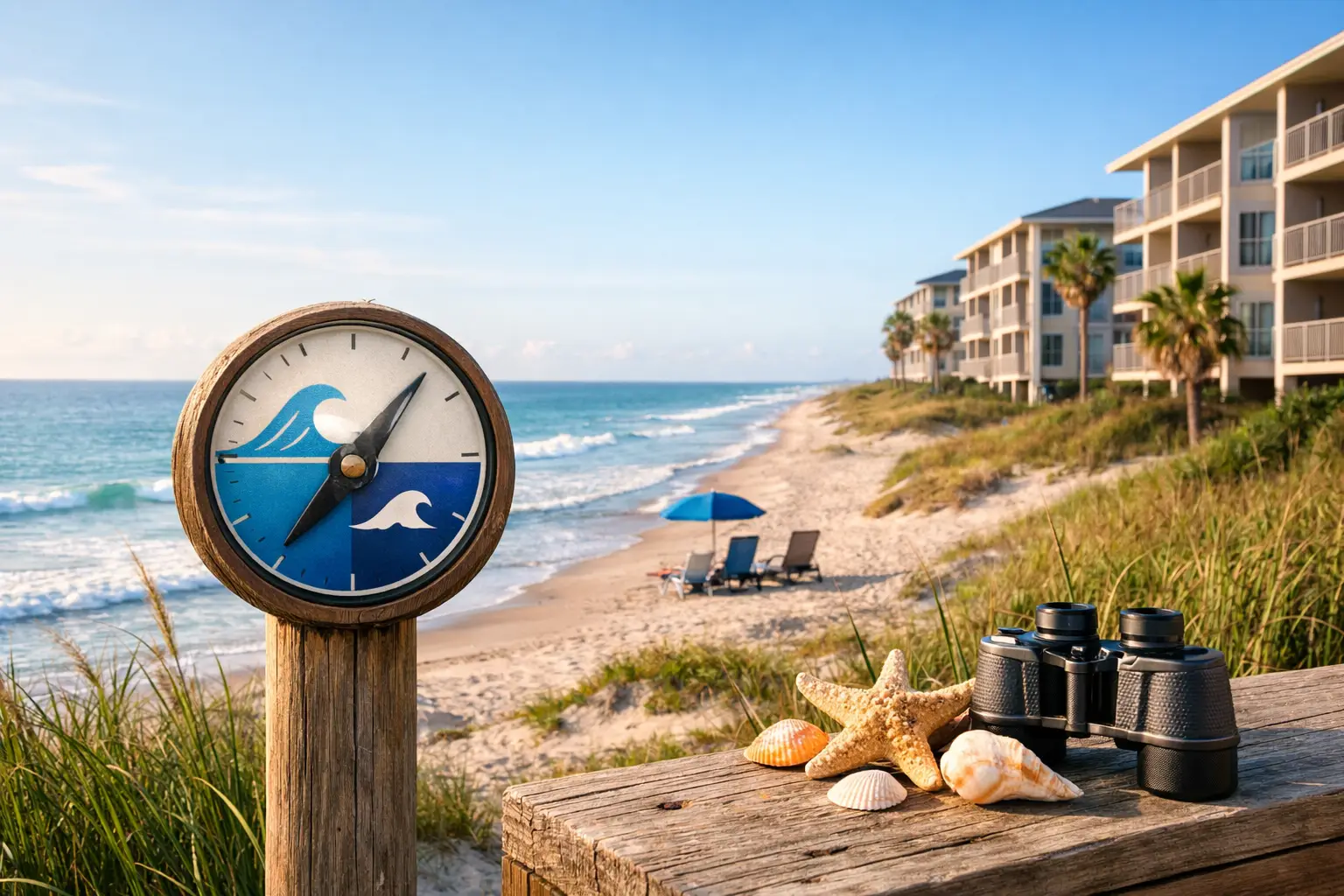
If you have ever arrived at the beach expecting a wide stretch of sand and found the water pushed almost to the dunes, you already know why the north padre island tide chart matters. Around North Padre Island, a small change in water level can shape your whole day - from where you set up chairs to when you fish the surf to whether that long shoreline walk feels easy or cut short.
A tide chart is one of the simplest planning tools for the island, but it helps most when you know what it can and cannot tell you. It gives predicted high and low tides based on normal astronomical patterns. That means it is useful for timing, but it is not the whole story. Wind, storms, barometric pressure, and recent weather can all make actual conditions look different from the chart.
How to read a north padre island tide chart
At a glance, a tide chart shows the times of high tide and low tide, along with the predicted water height for each. Most days will have two higher tides and two lower tides, though the spacing and size of those swings can vary. If you are just trying to decide when to go, start with the basics: lower tides usually mean more exposed beach and easier walking, while higher tides can push water farther up the shore.
The height number matters as much as the time. A low tide that is only slightly lower than average may not expose much extra sand. A more pronounced low tide often creates better conditions for beachcombing, playing near the shoreline, and navigating some stretches of beach with fewer surprises.
Timing matters too. The beach does not suddenly switch from high to low at one exact minute. Water levels rise and fall gradually. In practice, many visitors find the hour before and after a listed low tide to be the most useful window for walking, exploring, or setting up with a little more breathing room.
What the tide chart means for your beach day
For families, the north padre island tide chart is often the difference between a relaxed setup and a constant game of moving bags and coolers. At lower tide, there is usually more room between the waterline and your beach spot. That extra space helps if you have kids, dogs, umbrellas, or a larger group.
For couples and casual beachgoers, lower water can make long walks more enjoyable, especially early in the morning when the sand is firmer and temperatures are lower. If your goal is to collect shells, look for a falling tide or the period just after low tide. You will often have more exposed shoreline to work with.
That said, high tide is not automatically a bad time to go. If you are there mainly to swim, relax, or watch the water, a higher tide can still be perfectly fine. The trade-off is space. On some days, especially with added wind or wave action, the usable beach gets narrower fast.
Fishing and the north padre island tide chart
If you are fishing North Padre Island, tide timing can matter as much as your bait. Moving water tends to turn fish on. Many anglers like the periods around tide changes, especially the two hours before and after a switch. That is when bait movement often increases and predator fish become more active.
Still, there is no single best tide for every spot or species. In the surf, a rising tide can push bait closer and encourage feeding. In channels, cuts, and passes, outgoing water may concentrate fish more predictably. Wind direction and water clarity can override a promising tide chart, so experienced anglers use the chart as a starting point, not a guarantee.
If you are newer to surf fishing, keep it simple. Pick a day with a clear tide swing, plan to fish around a transition, and pay attention to how the beach looks in real time. Sandbars, troughs, and current seams often tell you more than a number on a screen.
Surf, paddling, and water activities
Tides affect more than fishing. If you are surfing, boogie boarding, paddleboarding, or launching a kayak, water level changes can influence access, current, and comfort. On a lower tide, exposed bars and shallower water may change where waves break. On a higher tide, some launch areas may feel easier, but current movement can also become more noticeable.
This is where local judgment matters. A chart may say the water is moderate, but a strong onshore wind can create a rougher, messier experience than expected. If your plans depend on conditions feeling calm, tide information works best alongside wave and wind awareness.
Why actual beach conditions can look different
This is the part many visitors miss. Tide charts are predictions, not promises. On the Texas coast, wind can have an outsized effect. Strong onshore wind may pile water up against the beach and make the tide seem higher than predicted. Offshore wind can do the opposite and expose more shoreline than you expected.
Low pressure systems can raise water levels, while high pressure can suppress them. Recent storms, even if they are not directly overhead, can change surf and shoreline shape. That means the same predicted tide height can feel very different from one day to the next.
For trip planning, the best approach is practical. Use the tide chart to choose your time window, then check same-day beach and weather conditions before you head out. That extra step usually gives you a much more realistic picture of what your beach day will actually feel like.
Best times to use a tide chart on North Padre Island
Some visitors only glance at the chart if they plan to fish. It is more useful than that. If you want a smooth trip, check it when you are planning any activity that depends on shoreline space, water movement, or access.
Morning beach walks are one obvious example. So are family setup days when you want room to spread out. It also helps when planning photos near the water, shell hunts, dog-friendly beach time, or simply deciding whether a certain stretch of sand is likely to feel open or crowded.
If you are staying for several days, compare the tide windows across your trip instead of checking just one date. You may find that one morning is much better for a long walk, while another afternoon lines up better for surf fishing or relaxed swimming.
A simple way to plan around the tide
You do not need to overthink it. Start with your main goal for the day. If you want more beach space, lean toward lower tide. If you want to fish, aim near a tide change. If you mostly want to swim and relax, the chart matters less, but you should still know whether the water will be creeping up toward your setup.
Then layer in weather. A modest low tide with light wind may be better than a dramatic low tide paired with rough surf. This is one of those classic beach trade-offs. The best-looking tide on paper is not always the best real-world beach window.
For overnight guests, this kind of planning can make the whole stay easier. Instead of guessing when to go, you can build the day around the conditions you want. That is especially helpful for families, friend groups, and anglers trying to make the most of a short trip.
Common mistakes visitors make
The biggest mistake is treating the tide chart like a complete forecast. It is only one piece of the picture. Another common miss is checking the time but ignoring the height. A listed low tide can be less useful if it is not significantly low.
Visitors also tend to assume the beach will look the same all along the island. In reality, local contours, bars, recent wave action, and beach traffic can change how conditions feel from one access point to another. Two spots can behave differently even under the same predicted tide.
Finally, some people check only once, days before arrival, and never look again. Conditions shift. A quick same-day check is worth it.
Making the chart work for your trip
The north padre island tide chart is best used as a local planning tool, not a technical puzzle. It helps you choose the right window for the beach experience you actually want, whether that is more room for the kids, a stronger fishing setup, or an easier shoreline walk before breakfast.
If you are building out a full island itinerary, tide timing works especially well when paired with current beach conditions and flexible plans. Whitecap Beach often sees that the best trips are not packed more tightly - they are timed better. A little awareness goes a long way on the coast.
Before you head out, take one extra minute to check the tide, then compare it with the weather and your plans. That small habit can turn a good beach day into one that feels easy from the start.