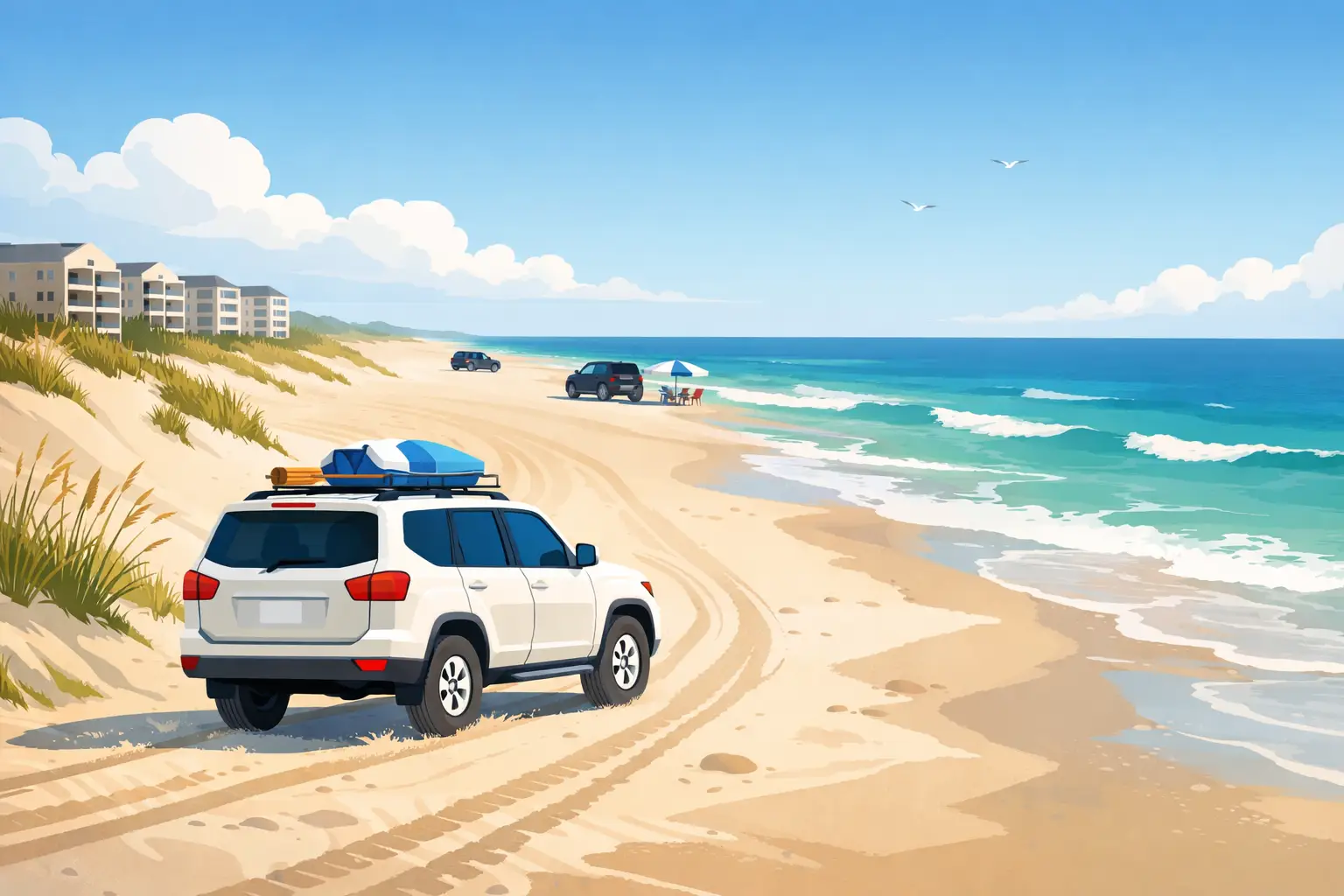
A beach drive on North Padre Island can turn an ordinary day by the Gulf into something much better: your chairs, cooler, fishing gear, and favorite people set up exactly where the shoreline looks right. It also asks more of a driver than a paved road does. This guide to North Padre beach driving will help you choose the right access point, read the conditions, and avoid the common mistakes that turn a relaxed beach day into a tow-truck story.
Start With the Beach You Plan to Drive
North Padre Island has several places where vehicles can access the sand, but the experience changes dramatically by location. The beaches closer to developed areas tend to have more traffic, firmer travel lanes, and easier access to restaurants, rentals, and supplies. Farther south, the coastline becomes more remote, with fewer services and a greater need for preparation.
Padre Island National Seashore offers one of the most memorable drive-on-beach experiences on the Texas coast. It also requires the most care. Conditions can shift from packed sand to soft, deep ruts quickly, especially beyond the maintained entrance road. If you are headed into more remote areas, a true four-wheel-drive vehicle with adequate clearance is the prudent choice, not an optional upgrade.
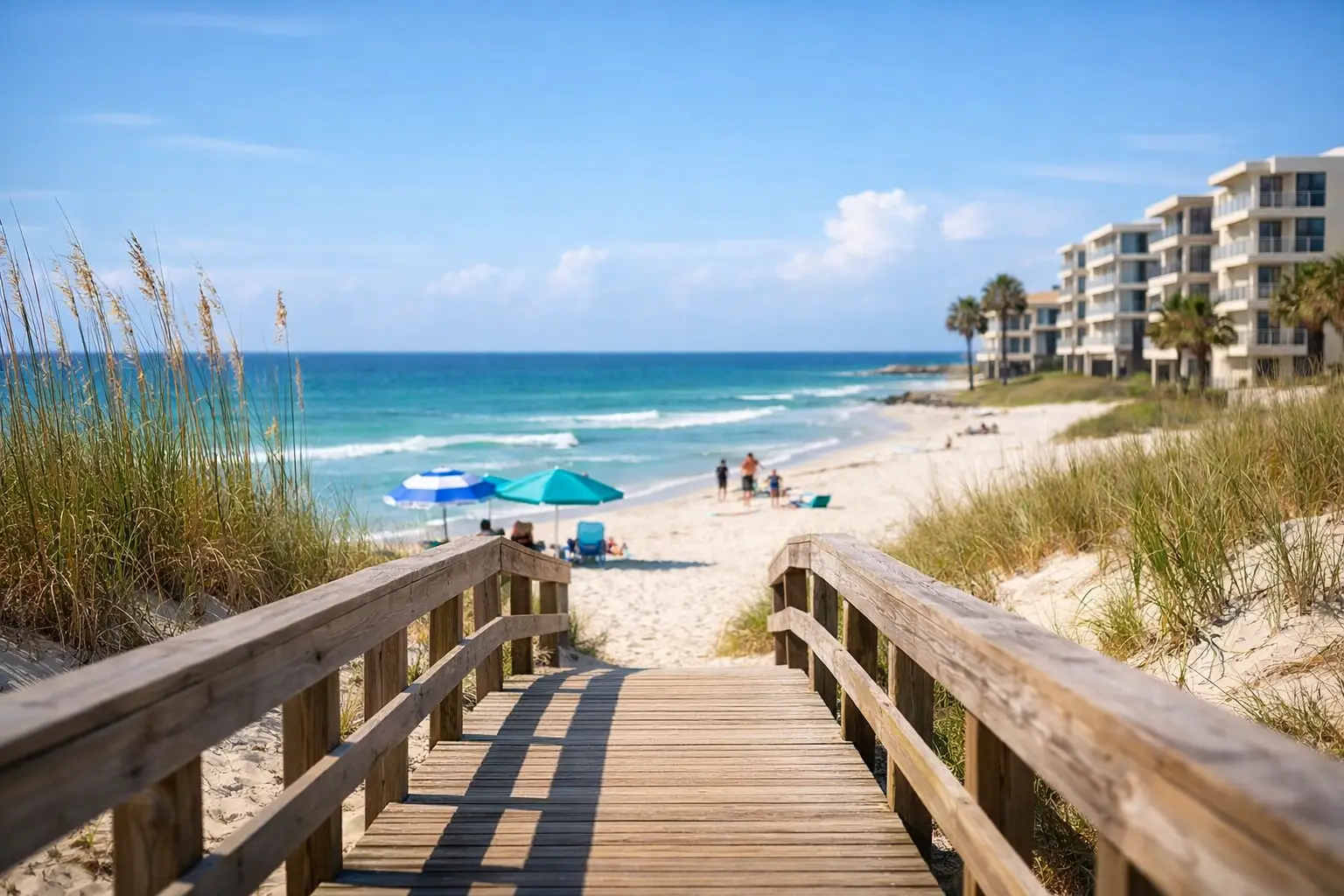
Before leaving your vacation rental, confirm which beach access road you intend to use and what conditions look like that day. Wind, recent rain, high tides, and heavy weekend traffic can all change the drive. Beach access rules, entry fees, and parking permit requirements vary by area and can change, so check the current requirements for your specific destination before you go.
Know When a Two-Wheel-Drive Vehicle Makes Sense
A two-wheel-drive vehicle can be perfectly workable on hard-packed sand near popular access points when the tide is low and the beach is dry. Still, workable is not the same as guaranteed. A sedan with low clearance, a heavy loaded SUV, or a vehicle with worn tires can struggle in spots that looked easy an hour earlier.
If you have two-wheel drive, stay on established, visibly firm travel paths and avoid sharp turns through dry, loose sand. Keep your momentum steady without speeding. Do not follow another vehicle into a soft section just because it made it through - its weight distribution, tires, and drivetrain may be very different from yours.
Four-wheel drive is the smarter option for long beach drives, soft sand, or trips into Padre Island National Seashore beyond the more accessible areas. It gives you more control, but it does not make you immune to tides, washouts, or poor decisions. Even capable vehicles get stuck when drivers stop in soft sand, spin the tires, or push too far down the beach without checking conditions.
Tires Matter More Than You Think
Good tires are your first line of defense on sand. Inspect them before your trip for healthy tread and proper inflation. Many experienced beach drivers lower tire pressure to improve flotation on soft sand, but this should only be done if you know your vehicle, have a reliable gauge and air source, and understand the pressure range appropriate for your tires. Reinflate before returning to pavement.
Never experiment with low tire pressure late in the day, miles from an exit, with no way to air back up. For many visitors, choosing a firm stretch of beach and driving conservatively is the easier, safer plan.
Read the Tide Before You Commit
The beach is widest and easiest to drive when the tide is low. As the water rises, the firm lane between the surf and soft upper beach can disappear, leaving little room to turn around or pass. This is especially relevant on narrow stretches, after storms, and near cut-throughs where water can reshape the sand.
Check tide timing before departure, then keep watching the shoreline once you are out there. A tide forecast is useful, but the beach in front of you gets the final say. If waves are reaching the route you used earlier, turn around while you still have space and daylight.
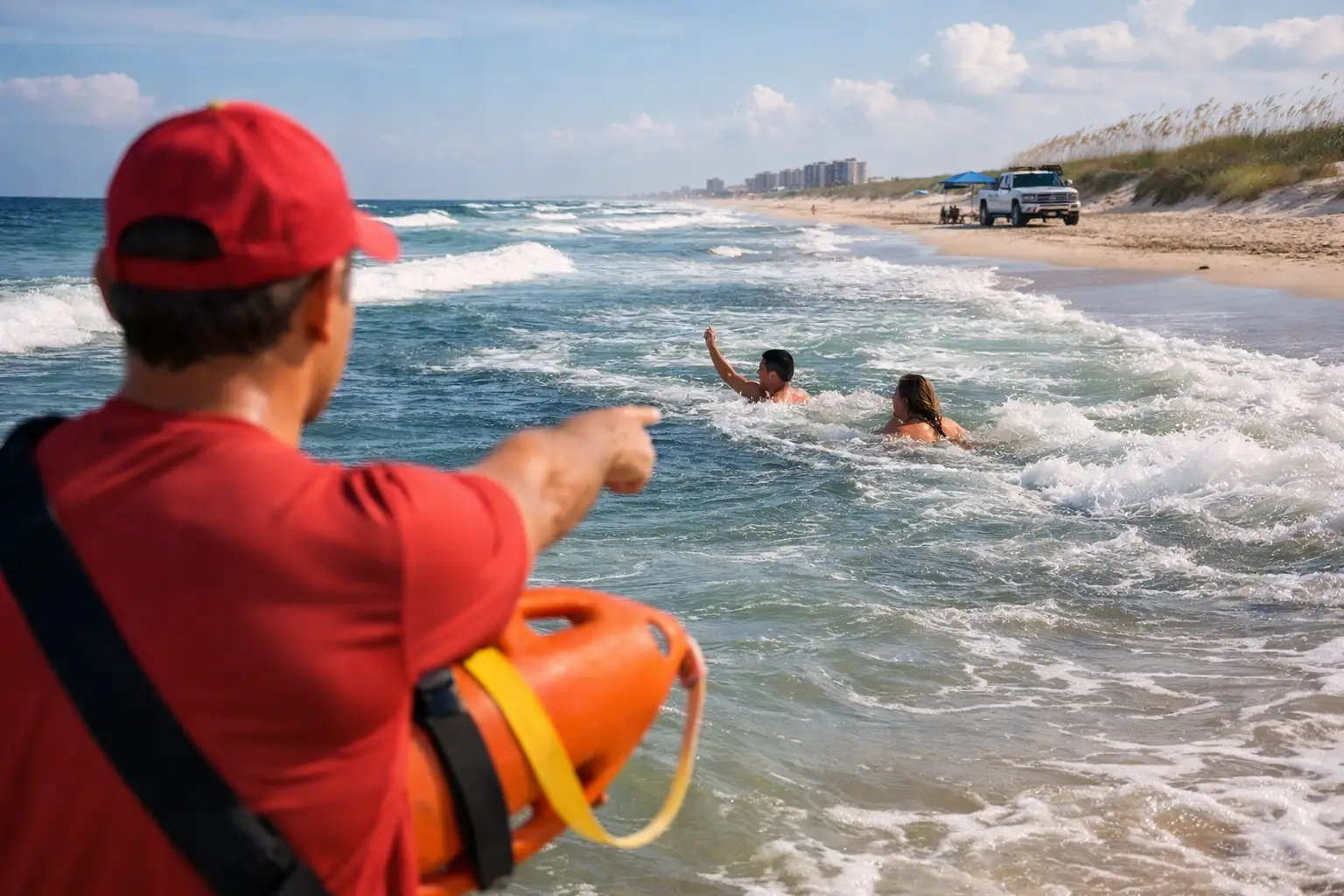
Do not drive through saltwater or along the wet edge of the surf. Aside from the risk of getting stuck, saltwater is hard on vehicles and can hide holes, debris, and sudden drop-offs. Park well above the highest active wash line, especially if you plan to stay for several hours.
Weather Can Change the Plan Fast
Strong onshore winds can make the beach feel and drive differently within a single afternoon. Rain can compact some areas while creating slick spots or standing water elsewhere. Lightning is reason enough to leave the open beach, and approaching storms are not the time to test an unfamiliar access route.
If conditions look questionable, choose a shorter drive, visit a more developed section of shoreline, or save the remote beach plan for another day. North Padre is just as rewarding when the smart call is an easier setup near an access point.
Drive Like the Beach Is Shared Space
Beach driving is not off-roading. The sand is shared with walkers, children, anglers, pets, shorebirds, nesting wildlife, and other vehicles unloading for the day. Keep your speed low enough to stop quickly and expect people to step out from behind parked trucks, tents, or dunes.
Stay on the established beach travel area. Do not drive on dunes, vegetation, or marked protected areas. Dunes help protect the island, and the habitat around them supports wildlife that needs room to rest and nest. Give birds, turtles, and all wildlife plenty of distance, and follow any seasonal closures or posted instructions.
When passing a parked vehicle or group, slow down more than seems necessary. Sand can spray from tires, and a fast pass can make a peaceful beach setup miserable. At night, reduce speed further and use lights responsibly. Darkness makes people, gear, wildlife, and soft spots much harder to see.
Bring the Gear That Lets You Solve Small Problems
A beach drive does not require turning your vehicle into an expedition rig, but a few practical items make a major difference. For any drive beyond a short, well-traveled section, bring:
- A tire pressure gauge and portable air compressor
- A shovel and traction boards or another safe traction aid
- A fully charged phone, car charger, and offline map or saved directions
- Drinking water, sun protection, and extra snacks
- A basic first-aid kit and flashlight
If you are traveling farther down the beach, tell someone where you are going and when you expect to return. Cell service can be unreliable in remote areas, and it is easier for others to help when they know your intended route.
Recovery straps can be useful, but only if everyone involved knows how to use rated recovery points safely. Never attach a strap to a bumper, hitch ball, or other unsuitable point, and never stand near a tensioned strap. If you are stuck and uncertain, stop digging deeper with spinning tires and contact professional assistance.
What to Do If You Get Stuck
The first rule is simple: do not panic and do not floor it. Spinning tires dig holes quickly. Get out, assess the sand around the tires, and clear loose sand from the direction you want to travel. Straighten the wheels, use traction aids if you have them, and make a gentle, steady attempt.
If the vehicle settles deeper or the tide is coming in, get help early. Do not let embarrassment turn a minor inconvenience into a vehicle recovery near rising water. Keep passengers in a safe place away from moving vehicles, and never allow anyone to stand directly behind or in front of a vehicle during a recovery attempt.
Make the Drive Part of the Getaway
The best North Padre beach days leave room for flexibility. Head out early for firmer sand and cooler temperatures, choose a spot with a clear exit route, and pack up before darkness or rising water complicates the drive. If you are bringing dogs, keep fresh water and shade close by - hot sand can be tough on paws even when the Gulf breeze feels comfortable.
A well-chosen stay makes this easier, too. Whitecap Beach helps travelers pair a North Padre rental with local guidance, so your beach day can start with the right access plan instead of a last-minute scramble.
Take your time, respect the changing shoreline, and leave enough margin for the unexpected. The reward is one of the island’s simplest pleasures: a Gulf sunrise or sunset viewed from your own patch of sand, with the car packed, the tide in sight, and nowhere else you need to be.