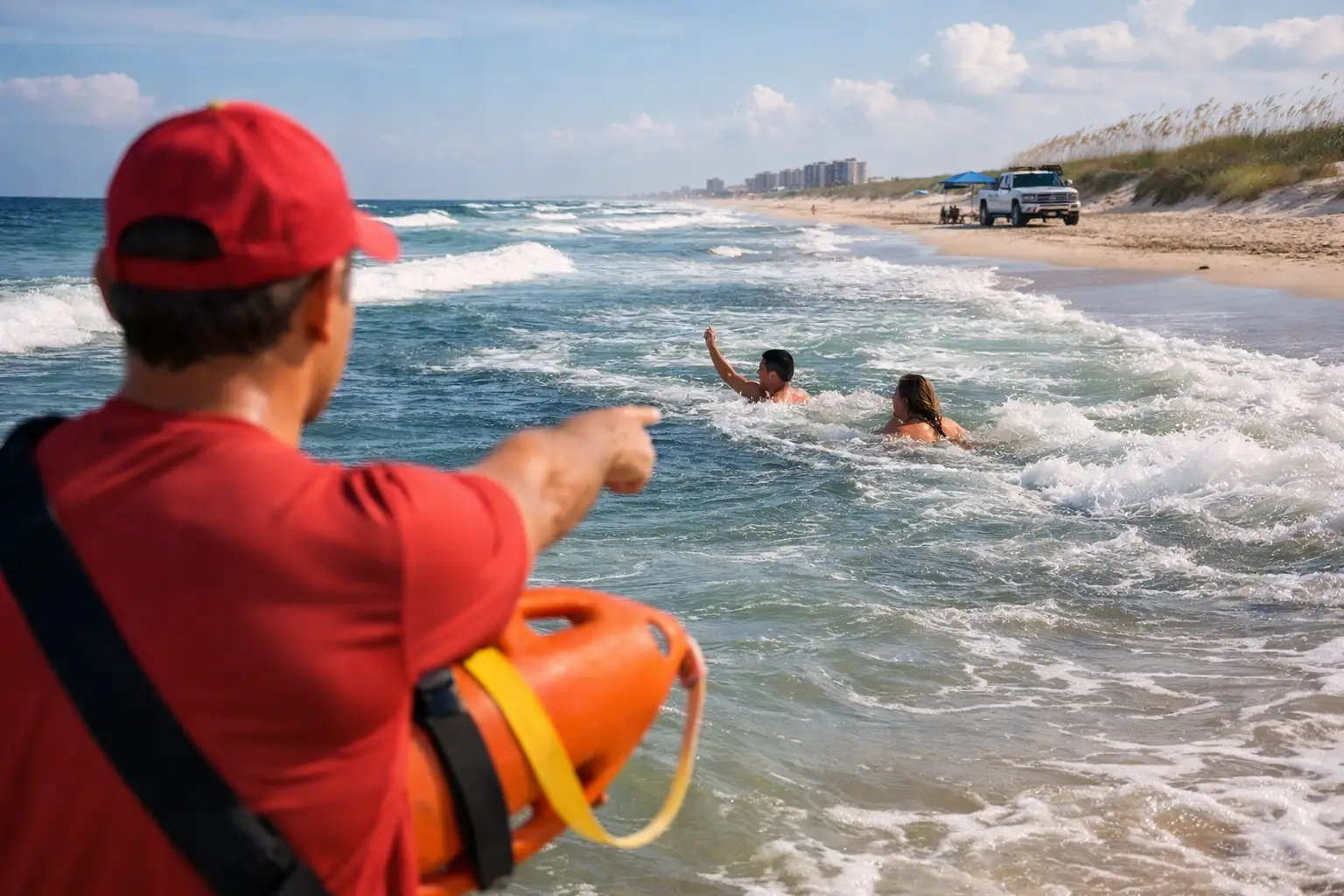

The best beach days here usually start before you set up your chair. A strong tide, a windy afternoon, or a long drive between your rental and the sand can change the feel of a trip fast. Knowing how to plan a Corpus Christi beach trip means building in a little local know-how so your time is spent swimming, fishing, relaxing, and finding your favorite island spot instead of rearranging plans all day.
Start With the Kind of Beach Trip You Actually Want
Corpus Christi offers more than one version of a Gulf Coast getaway. Before choosing dates or a place to stay, decide what your group wants most. Families may prioritize a calm home base, easy beach access, a kitchen, and room for sandy gear. Couples may want a quieter condo near the water with dining and sunset walks nearby. Anglers need to think about launch access, tackle storage, weather windows, and whether bay fishing or surf fishing is the goal.
North Padre Island is often the right fit for travelers who want to stay close to wide beaches, water activities, and a more relaxed coastal rhythm. The trade-off is that it can feel less central if you plan to spend every day at museums, downtown restaurants, or attractions across town. If the beach is the main event, staying near it usually makes the trip simpler.
Choose your trip length around your pace. A two-night stay can work for a quick reset, but three or four nights gives you room for a weather adjustment day. That flexibility matters on the Texas coast, where a breezy beach day can still be beautiful but may not be ideal for the exact activity you had planned.
Pick Dates With Beach Conditions in Mind
Summer brings the classic beach-trip energy: warm water, long daylight, active restaurants, and plenty of people on the sand. It is also the busiest period, especially around holidays and weekends. Book early if you want a particular type of vacation rental, such as beachfront, pet-friendly, or large enough for a group.
Spring and fall can be excellent for travelers who prefer lighter crowds and milder daytime temperatures. Water temperatures, wind, and rainfall vary, so these seasons reward guests who plan for both beach time and off-sand options. Winter is quieter and can be especially appealing for fishing, birding, long walks, and a peaceful coastal stay, though swimming conditions are less predictable.
When selecting dates, look beyond the daily high temperature. Check wind direction and speed, surf conditions, tides, rainfall potential, and any beach advisories close to departure. A sunny forecast is helpful, but wind can make a major difference in comfort, especially for families with small children or anyone planning to fish from shore.
Build a Weather Backup Into Every Day
Do not schedule every hour of your trip before you arrive. Instead, choose one primary beach activity and one backup plan for each day. A windy morning might be better for a leisurely breakfast, local shopping, an aquarium visit, or a scenic drive before returning to the beach later. A rain shower does not have to erase the day, but it is much easier to pivot when you have already left space in the schedule.
Choose a Stay That Saves Time on the Island
The right lodging does more than provide a bed. It shapes how easy your vacation feels. A vacation rental with beach access, outdoor space, laundry, parking, and a full kitchen can make a noticeable difference for families and longer stays. For friend groups, look at bedroom layouts, shared living areas, bathroom count, and whether there is enough room to keep coolers, fishing equipment, or beach carts out of the way.
Location should match your priorities. If you want to walk or take a short drive to the beach each morning, focus on North Padre Island or waterfront areas near your preferred beach access. If you plan to bring a pet, confirm the property's pet policy before booking rather than assuming all rentals allow animals. Travelers bringing a boat, trailer, or oversized vehicle should also verify parking details in advance.
Whitecap Beach can help travelers pair a North Padre Island stay with local planning tools, so your accommodations and day-to-day itinerary feel connected rather than pieced together from separate sources.
Plan Your Beach Access Before You Arrive
Not every beach day looks the same. Some visitors want a convenient access point for a few hours of swimming and sandcastle building. Others want the freedom to drive onto designated beach areas, set up for the day, and stay through sunset. Know the rules for the specific beach you plan to visit, including parking requirements, driving conditions, fires, pets, glass containers, and cleanup expectations.
If you expect to drive on the beach, use a suitable vehicle and pay attention to current sand conditions. Soft sand, high tides, and changing weather can affect where it is safe to travel. Bring more water than you think you will need, keep your phone charged, and avoid treating a beach drive like a shortcut when conditions are questionable.
For a simpler outing, arrive earlier than you think on popular weekends. Morning beach time is generally cooler, parking is easier, and you can claim a comfortable spot before the midday heat. Leave your afternoon open for a pool break, lunch, or an indoor reset, then return for the golden light near sunset.
Pack for Comfort, Not Just Photos
A good beach bag is practical. The basics include reef-conscious sunscreen, hats, sunglasses, towels, refillable water bottles, snacks, a first-aid kit, and a dry bag for phones and keys. Add a shade canopy or umbrella, but make sure it is secured properly for coastal wind.
For children, bring more water and more shade than you expect to use. For anglers, pack for changing conditions: sun protection, a light layer, rain gear when the forecast calls for it, and a plan to store hooks and gear safely around kids and pets. For pet owners, include fresh water, a travel bowl, waste bags, a leash, and a way to cool down after time on hot sand.
Footwear is another small decision that pays off. Sand can get very hot by midday, and shell fragments or uneven paths can make a quick walk uncomfortable. Water shoes are useful for families and anyone exploring along the shoreline.
Create an Itinerary With Breathing Room
The most memorable Corpus Christi beach trips usually have a rhythm, not a packed checklist. Think in anchors: a beach morning, a favorite lunch, an afternoon activity, and an easy evening. Choose one or two must-do experiences for the entire trip, then let the rest depend on conditions and energy levels.
For example, a family might reserve the first full day for the beach, plan an attraction or indoor activity for the next afternoon, then save the final morning for a quieter shoreline walk and breakfast. A couple might pair sunrise coffee with a beach stroll, spend the hottest part of the day indoors or at the pool, and plan dinner around sunset. A fishing group may treat the forecast as the real itinerary and keep meals and non-fishing activities flexible around the best water window.
This approach also helps with budget control. Groceries for breakfasts, snacks, and a few easy dinners can reduce the pressure to dine out for every meal, while leaving room for a local restaurant or seafood dinner you genuinely want to enjoy. Ask your rental host what is supplied so you do not buy duplicates of basics like coffee filters, dish soap, or beach towels.
Confirm the Small Details Two Days Before Departure
A short pre-trip check prevents many avoidable frustrations. Confirm check-in instructions, parking, gate codes, pet rules, and the route to your rental. Review the weather and beach conditions again, especially if you are bringing a boat, planning surf fishing, or driving on the sand.
Make a short arrival plan, too. Decide whether you will stop for groceries before crossing to the island, where you will pick up ice, and what your first meal will be. After a travel day, a ready plan feels better than trying to make every decision while everyone is hungry and tired.
Your beach getaway does not need to be overplanned to feel effortless. Give yourself a great place to stay, keep an eye on the conditions, and leave enough room for the day that turns out better than the one you expected.