A rental can look perfect from the street, then become a hassle the moment you need somewhere to park the boat, rinse sandy gear, or keep a morning catch cold. Knowing how to pick fishing friendly rentals means looking past a listing's “near the water” label and choosing a stay that makes your time on the Texas coast easier from the first cast to the last fish taco.
For a North Padre Island or Corpus Christi fishing trip, the best property is not always the one closest to the beach. It is the one that fits how you plan to fish: surf casting at sunrise, drifting the Laguna Madre, running offshore, or bringing kids to a nearby pier.
Start With the Fishing Trip You Actually Want
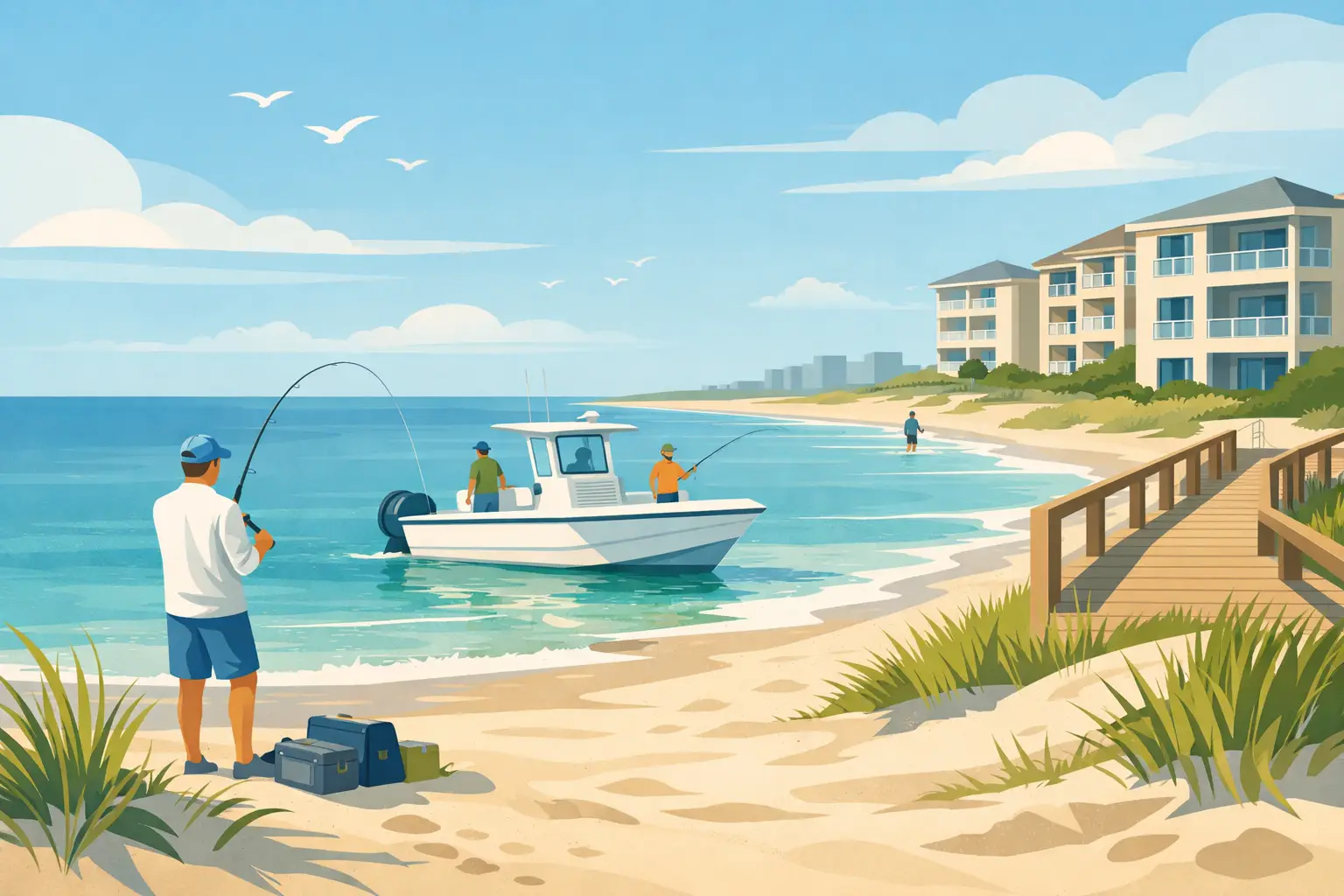
Before comparing rentals, decide what kind of fishing will anchor the trip. A surf angler may value direct beach access, a ground-floor rinse area, and room for rods more than a private dock. A bay angler with a flats boat may need trailer parking, a dependable boat ramp nearby, and a canal location with practical access to the Laguna Madre.
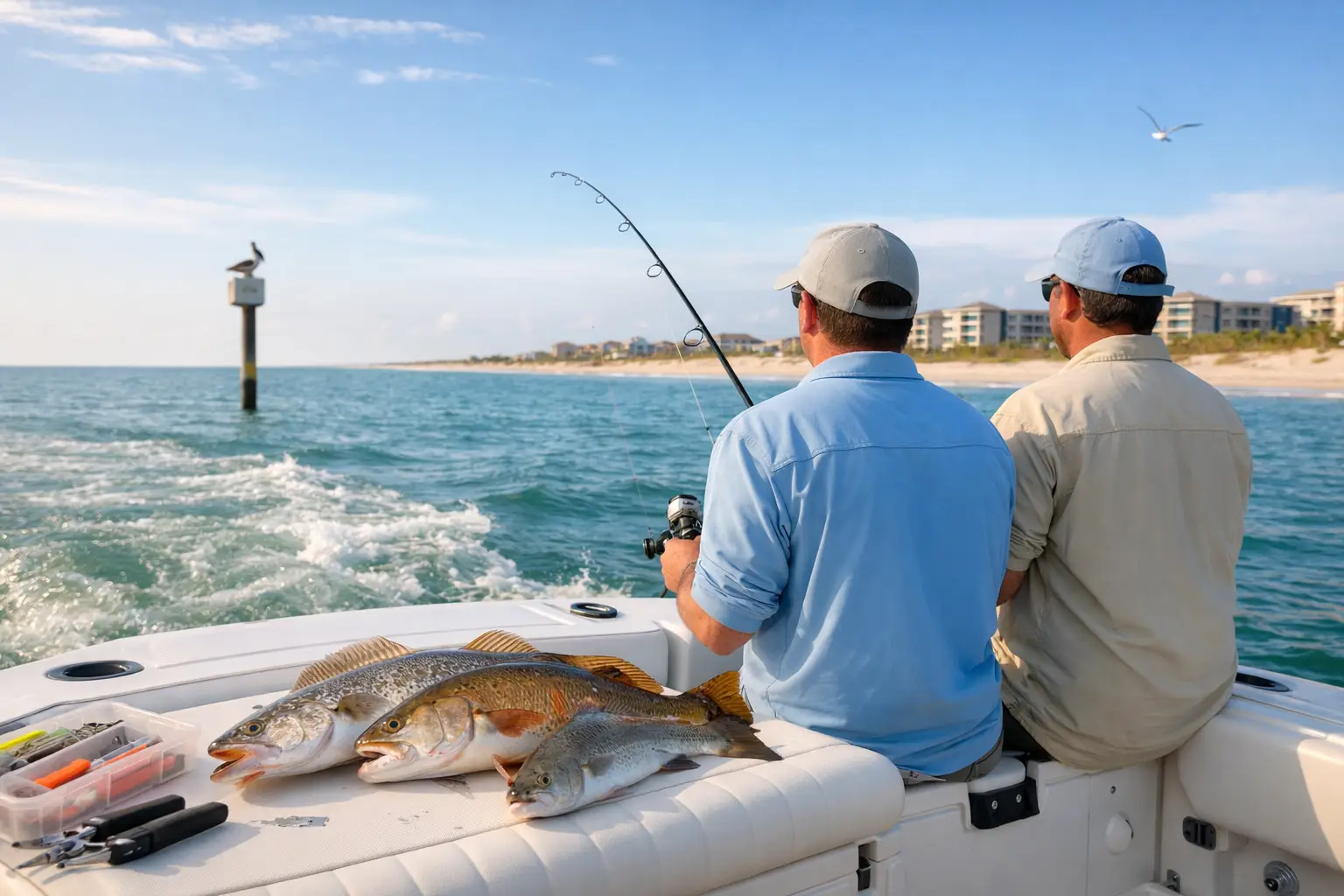
Offshore groups have a different checklist. If you are booking a charter, proximity to the marina, room for coolers, and enough beds for an early departure can matter more than being waterfront. Families often want a middle ground: easy access to a fishing spot, beach time nearby, and a comfortable place to relax when the bite slows down.
This first step prevents a common mistake: paying extra for a waterfront view that does not support the fishing you intend to do. “Waterfront” can mean a beach view, a canal, a pond, or a bayfront setting. Each has a different practical value for anglers.
How to Pick Fishing Friendly Rentals by Location
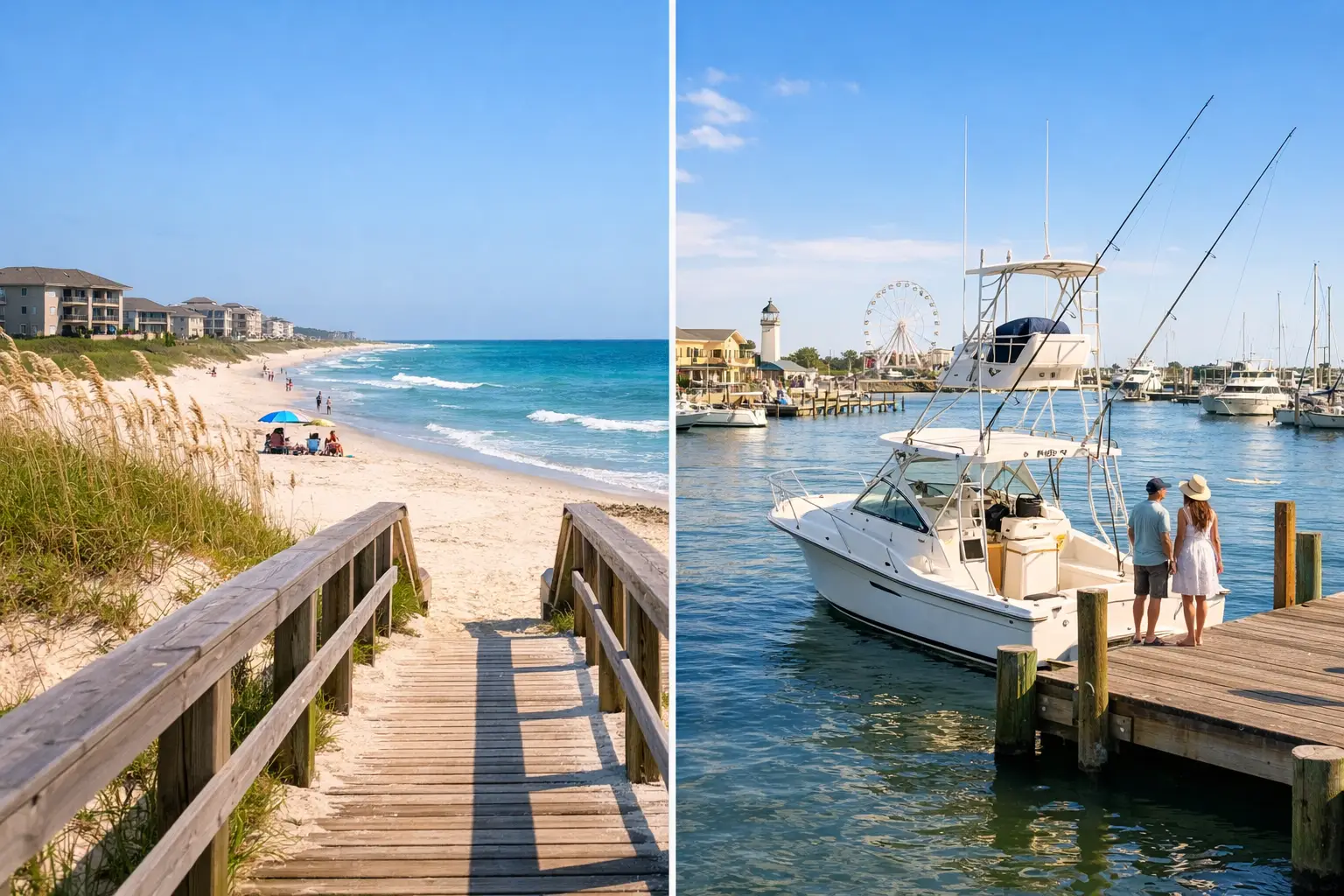
Location shapes the rhythm of the whole trip. On North Padre Island, a rental near beach access can make dawn surf sessions wonderfully simple, especially when you can load rods and a cart into the vehicle and reach the sand in minutes. If you plan to drive on the beach, confirm that your vehicle, access point, and current beach conditions are appropriate before heading out.
Canal-front homes and condos can be especially appealing for boat owners, but the details matter. A canal-view property is not automatically a dock-use property. If a listing shows a dock, verify whether guests can tie up there, whether the slip is included, and whether there are restrictions on boat length, draft, or overnight use. Tides, bridge clearances, and shallow-water conditions can affect the route from a canal to open water.
For bay fishing, also consider the drive to your preferred launch. A home with a private slip may be convenient, but a rental with easy trailer parking close to a good ramp can be the better choice. It depends on the size of your boat, how often you expect to launch, and whether you prefer keeping it in the water overnight.
Match the Property to Your Launch Plan
Ask yourself one practical question: where will the boat be at 5:30 a.m.? If the answer is “on the trailer,” confirm the property has legal, usable parking for both the tow vehicle and trailer. Street parking can be limited by neighborhood rules, and a narrow driveway may not work for a large rig.
If the answer is “in a slip,” ask whether the space is assigned, gated, and suitable for your boat. A private dock can save valuable time, but only when it is truly available to guests and easy to use.
Look for Amenities That Solve Real Problems
The most useful fishing amenities are often unglamorous. A dedicated fish-cleaning station, outdoor hose, and shaded prep area can make a big difference after a salty day on the water. If a listing advertises a cleaning station, check whether it has running water, a light for evening use, and a disposal process that does not create odors around the home.
Cold storage is another consideration. A standard refrigerator may be enough for a small family catch, but a larger group, offshore charter, or multi-day trip may need extra freezer space. Rather than assuming, ask about the available refrigerator and freezer capacity before bringing a full cooler of bait or expecting to store fillets.
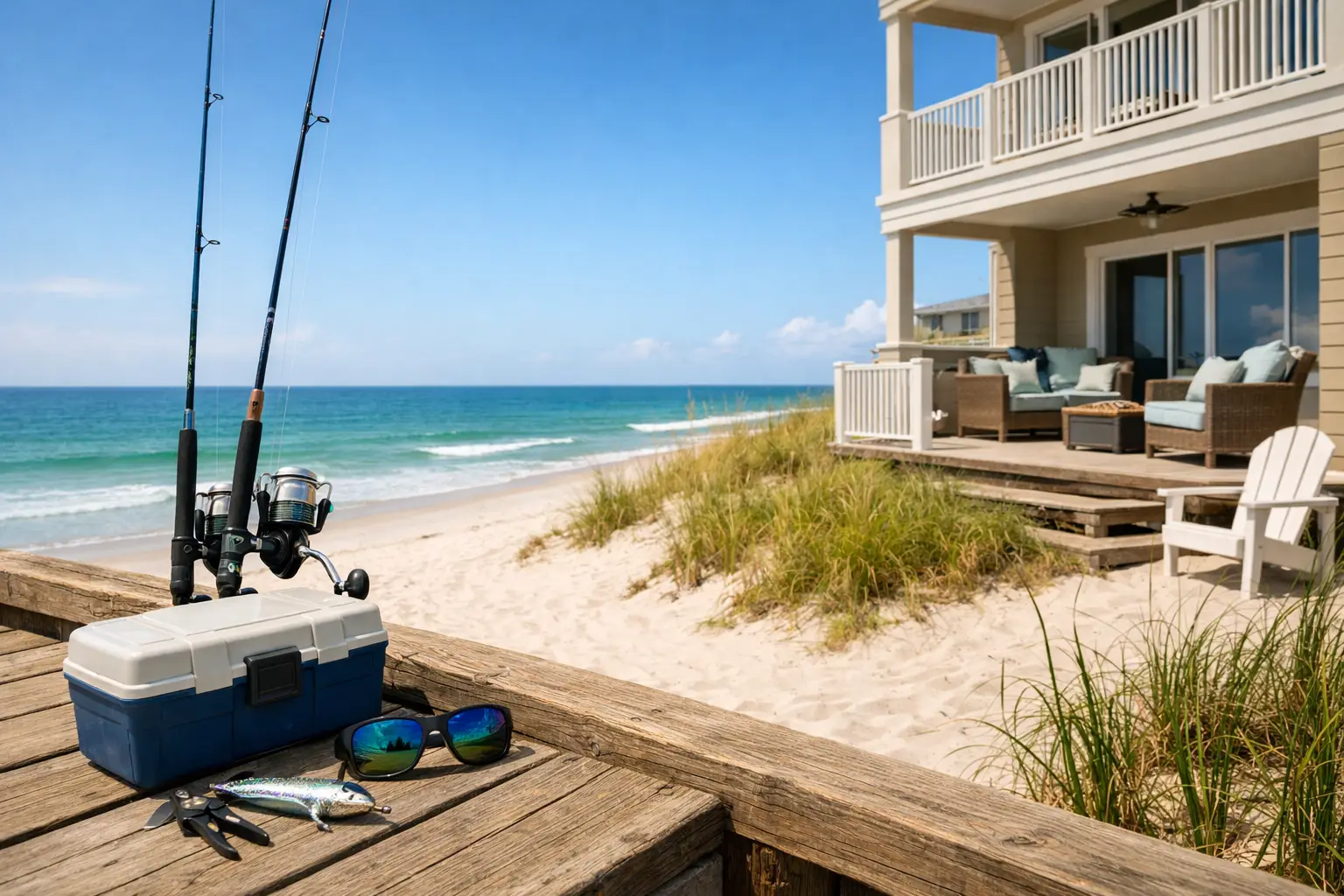
Good fishing rentals also make gear management less chaotic. Look for a ground-floor entry, garage access where permitted, a patio, or a covered outdoor area where rods, tackle boxes, waders, and beach carts can stay organized. Carrying wet equipment through a carpeted condo after every outing gets old quickly.
When evaluating amenities, focus on these four practical needs:
- Safe parking for vehicles, boats, trailers, and golf carts when applicable
- Water access that matches the listing description and your vessel
- A rinse, cleaning, and storage setup for gear and catch
- Enough refrigerator, freezer, and outdoor space for your group
A property does not need every feature to be a great fit. A clean condo near the beach may be ideal for surf anglers who do not need a dock, while a canal home with boat access may be worth prioritizing for a group bringing its own vessel.
Read the Rules Before You Book
Fishing-friendly does not mean rule-free. Vacation rentals may have HOA policies, parking limits, quiet hours, dock restrictions, or rules against cleaning fish indoors. These are reasonable details to understand before arrival, not surprises to manage after a long day on the water.
Pay special attention to pet policies if you are traveling with a dog. A pet-friendly home can make the trip more flexible, but verify where pets can be rinsed off, whether there is a fenced area, and what beach rules apply at the places you plan to fish. Likewise, if you are staying in a condo, ask whether elevators, stairwells, or common areas create any issues for coolers and fishing gear.
You should also come prepared with the appropriate Texas fishing license and follow current size, bag, and seasonal regulations. A helpful rental host can point you toward local resources and fishing areas, but anglers remain responsible for fishing legally and handling their catch properly.
Use Photos Carefully and Ask Direct Questions
Photos are useful, but they do not answer every operational question. A beautiful shot of a canal may not show the dock condition, boat clearance, parking layout, or distance to the nearest ramp. Listing descriptions can also use broad terms such as “water access” or “minutes from fishing,” which are worth clarifying.
Before booking, send a short, specific message. Ask whether the dock is available for guest use, whether a trailer fits on-site, where fish may be cleaned, and whether there is an outdoor hose or freezer. If you are bringing a boat, include its approximate length and trailer size. Clear questions lead to clear answers and help the host recommend the right property rather than simply the closest available one.
This is also a good time to ask about current local conditions. Wind direction, water levels, sea grass, beach driving conditions, and seasonal patterns can all influence which side of the island or which type of access makes the most sense. Whitecap Beach can help travelers pair a stay with the local details that turn a fishing weekend into a smoother coastal escape.
Choose Comfort for the People Who Are Not Fishing
The strongest fishing trip rental works for the entire group. One person may be planning a dawn wade, while someone else wants coffee on the balcony, a beach afternoon, or a quiet place for a nap. Bedrooms, bathrooms, laundry, a usable kitchen, and outdoor seating matter just as much as rod storage when several people are sharing the stay.
For a group trip, calculate sleeping arrangements honestly. A home listed for eight guests may technically sleep eight, but a sofa bed and limited bathrooms can feel cramped when everyone is waking before sunrise. A little extra room can be worth it when wet towels, sandy shoes, coolers, and tackle become part of the daily routine.
The right fishing rental should remove friction, not create more of it. Choose the location and amenities that fit your fishing style, confirm the details that photos cannot prove, and leave room for the rest of your crew to enjoy the coast their own way. Then the best part of the day can stay exactly where it belongs: out on the water.