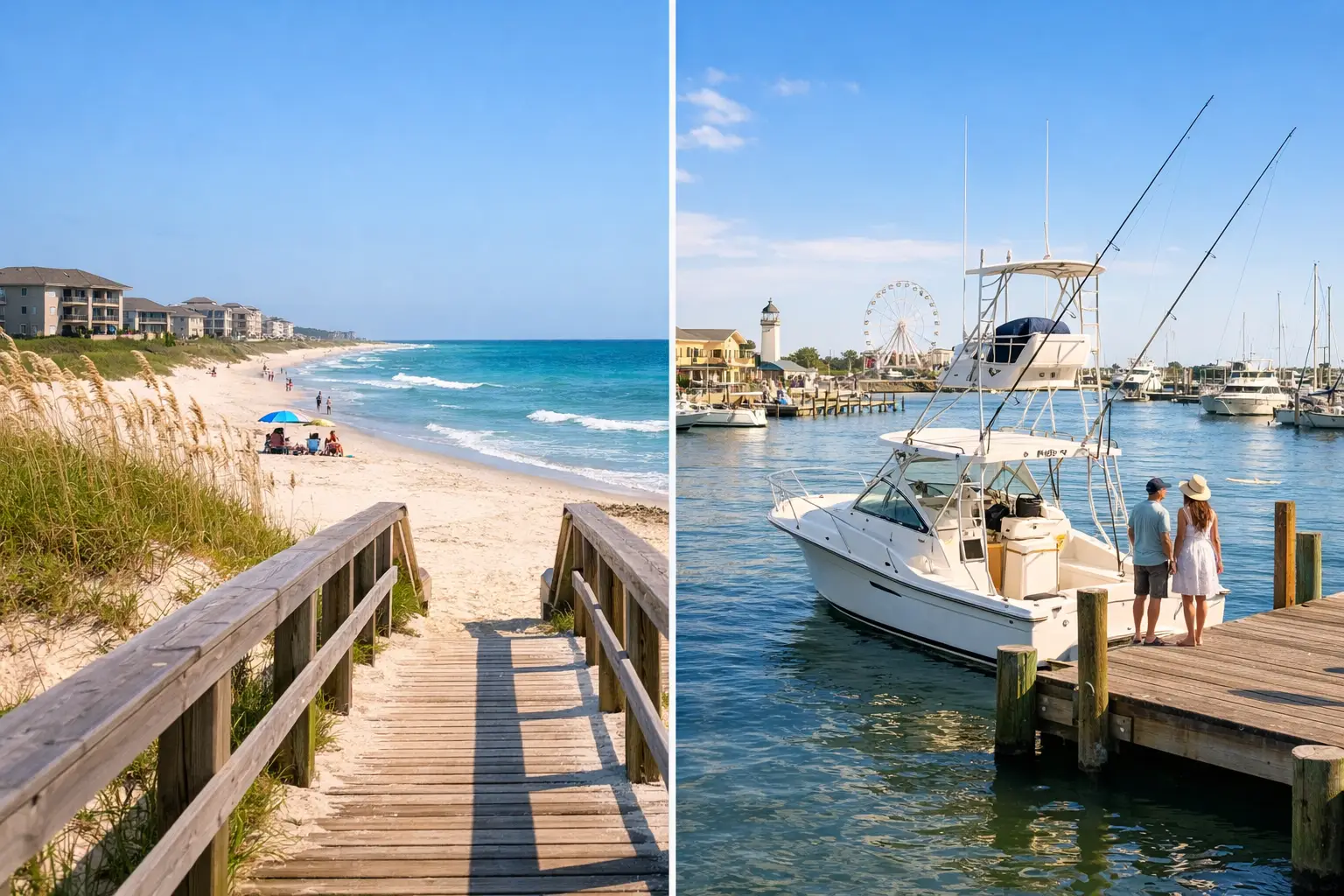
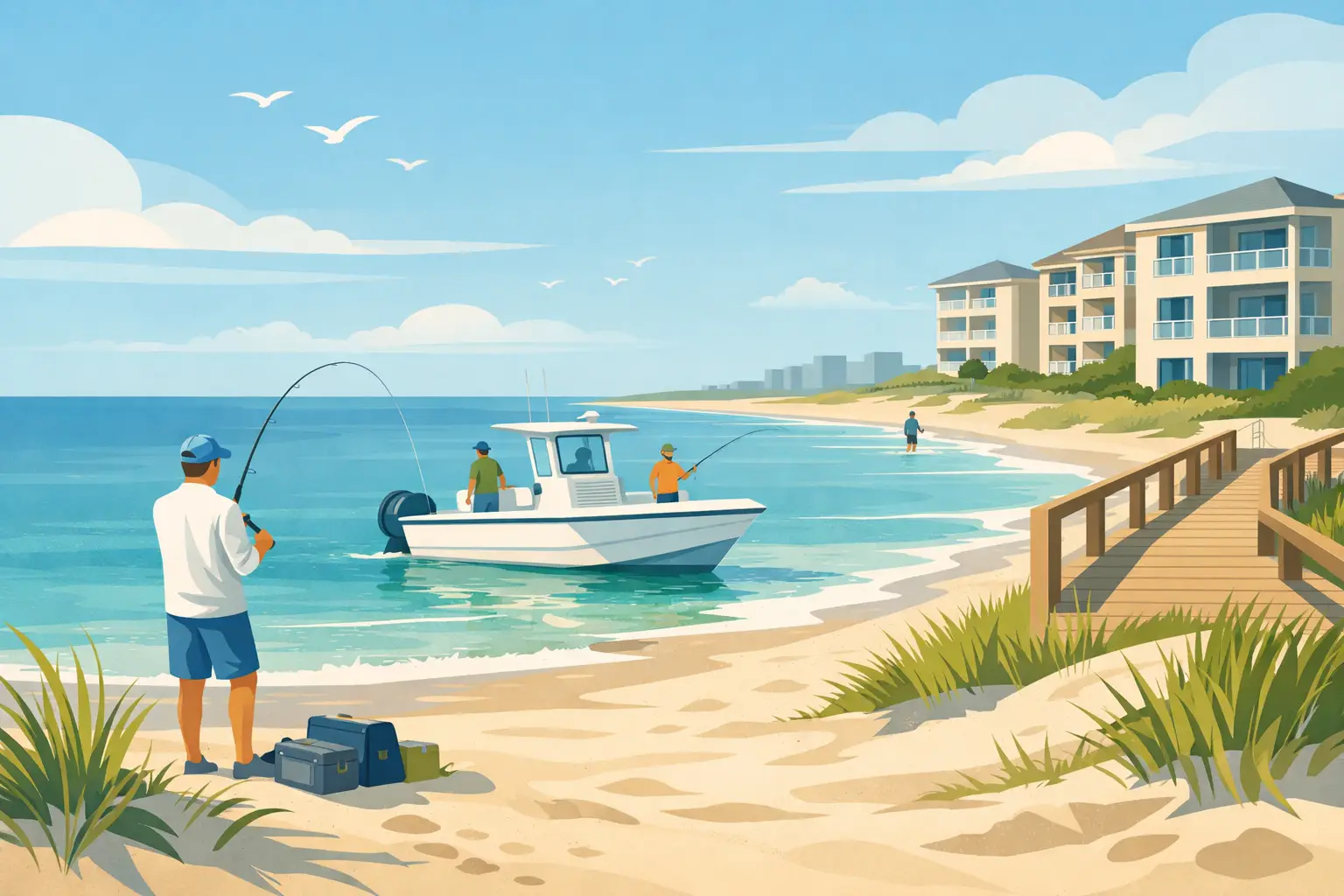
The first cast can happen before breakfast, with the Gulf on one side, Laguna Madre on the other, and no long drive between your bed and the water. To plan a fishing trip to North Padre well, start by deciding what kind of day you want: quiet surf fishing, a wade-fishing mission on the flats, a family-friendly pier outing, or a guided run offshore. That choice shapes nearly everything else, from where you stay to what you pack.
North Padre Island rewards anglers who leave room for conditions. Wind direction, water clarity, tide movement, and recent weather can change the best plan quickly. Build a trip with a solid base and a few flexible options, and you will spend more time fishing instead of scrambling.
Choose Your North Padre Fishing Style First
The island offers several distinctly different fishing experiences within a relatively compact area. Surf fishing is the simplest place to begin. You can work the beach for species such as whiting, pompano, red drum, black drum, and, at the right time, larger seasonal visitors. It is a good fit for families and for anglers who want fishing to be part of a beach day rather than the entire schedule.
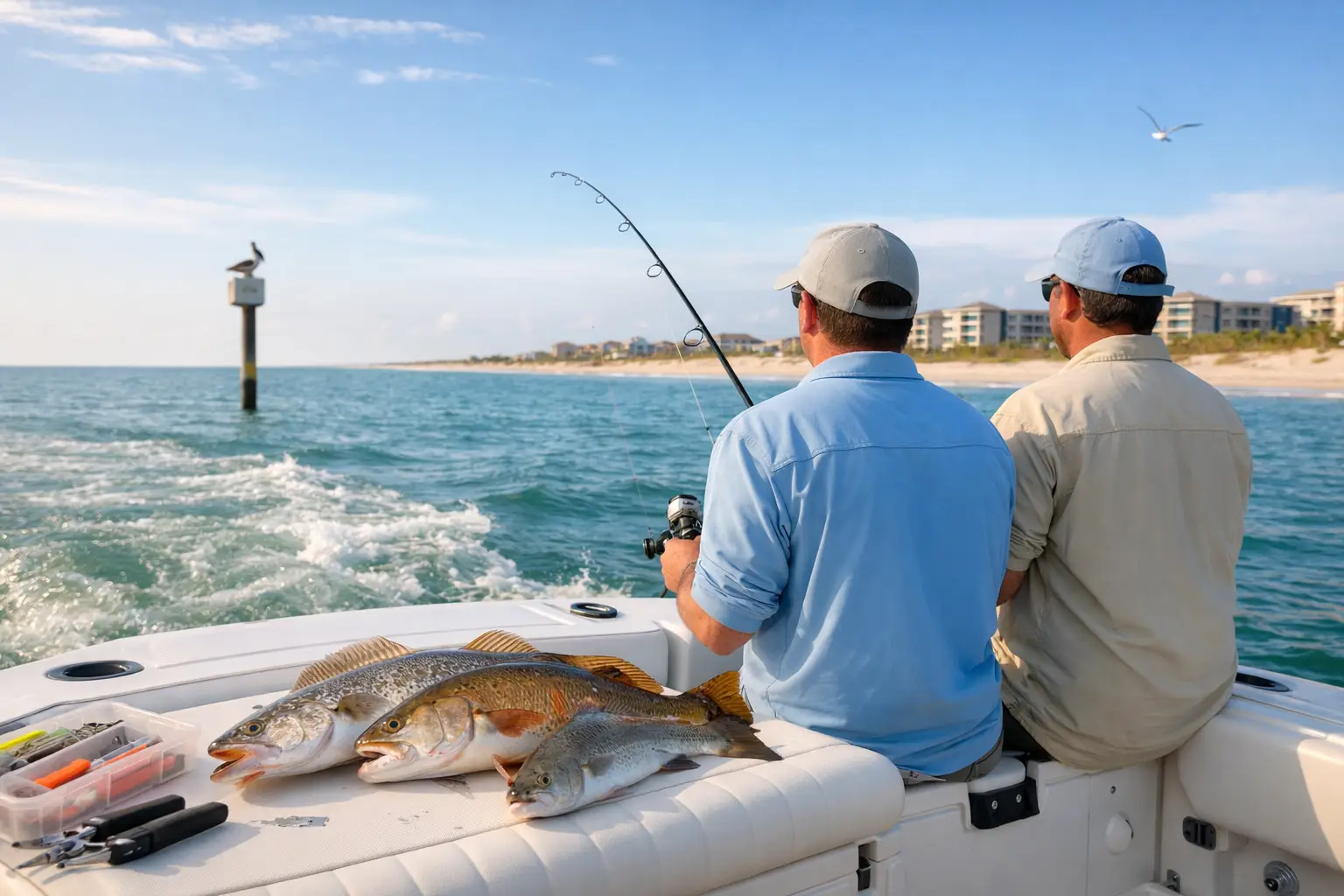
The Laguna Madre side calls for a more deliberate approach. Its shallow grass flats and channels are known for redfish, speckled trout, flounder, and black drum. Wade fishing can be productive and wonderfully quiet, but it requires awareness of changing depth, soft bottoms, boat traffic, and the weather. If you are new to the area, a local guide can shorten the learning curve considerably.
Bay boat charters are ideal for visitors who want local knowledge, equipment help, and a better chance of finding active fish without spending the first day figuring out access. Offshore trips are another category altogether, with a longer time commitment, changing sea conditions, and species that vary by season and distance from shore. They can be a memorable choice for experienced anglers, groups, or anyone looking for a true Gulf adventure.
Pick Dates Around Conditions, Not Just the Calendar
Fishing is available year-round, but the experience changes with the season. Cooler months can bring comfortable daytime weather and opportunities for redfish, black drum, and trout. Spring often means stronger winds, which can affect bay clarity and offshore comfort even when the forecast looks sunny. Summer gives visitors warm water, long daylight, and excellent beach time, though early mornings and evenings are often the most comfortable windows.
Fall is a favorite season for many coastal anglers because water temperatures begin to ease and fish can feed aggressively ahead of cooler weather. Still, there is no single “best” month for every person. A family with young kids may value calm water and mild temperatures over a specific bite. Serious anglers may be willing to adjust plans around a weather window.
Check the forecast several times before departure, then again each morning on the island. Pay attention to wind speed and direction, lightning risk, surf height, tide timing, and any beach or water advisories. A light breeze can make a hot day pleasant. A sustained onshore wind can make the surf rough, muddy the water, and change the plan.
Build a Flexible Day on the Water
A good fishing day starts earlier than many vacation days. Dawn usually brings cooler temperatures, less beach traffic, and active fish. For surf anglers, arriving early also makes it easier to choose a safe, uncrowded stretch of beach and set up before the sun gets high.
If you are fishing the flats, launch and access decisions should match the tide and wind. Shallow water can fish very differently on a low tide than it does on a rising one. On windy days, choose protected water rather than forcing a long, exposed run. A guide, bait shop, or experienced local captain can offer useful direction, but conditions always have the final say.
Plan a midday reset instead of treating every hour as a must-fish hour. Return to your rental for lunch, cool off, recharge phones, and check conditions before an evening session. This is especially helpful for groups with children, first-time anglers, or anyone fishing through the Texas heat. The late-day bite can be worth the second outing.
Know the Rules Before You Cast
A Texas fishing license is generally required for anglers age 17 and older, with separate considerations for freshwater and saltwater fishing. Saltwater anglers may also need the appropriate endorsement. Regulations, bag limits, size limits, seasonal closures, and protected species rules can change, so confirm current Texas Parks and Wildlife requirements before your trip.
That matters even on a casual beach outing. Keep a measuring device, understand the limits for the fish you hope to keep, and release undersized or protected fish carefully. If you are booking a charter, ask what licenses and gear are included. Many guided experiences supply tackle and handle the practical details, but it is wise to confirm rather than assume.
Also respect beach driving rules, access restrictions, and designated swimming areas. Four-wheel drive can be useful on permitted beach sections, but it is not an automatic pass for every stretch of sand. Watch for changing conditions and never drive into water or soft sand beyond your vehicle’s ability.
Pack for the Water You Actually Chose
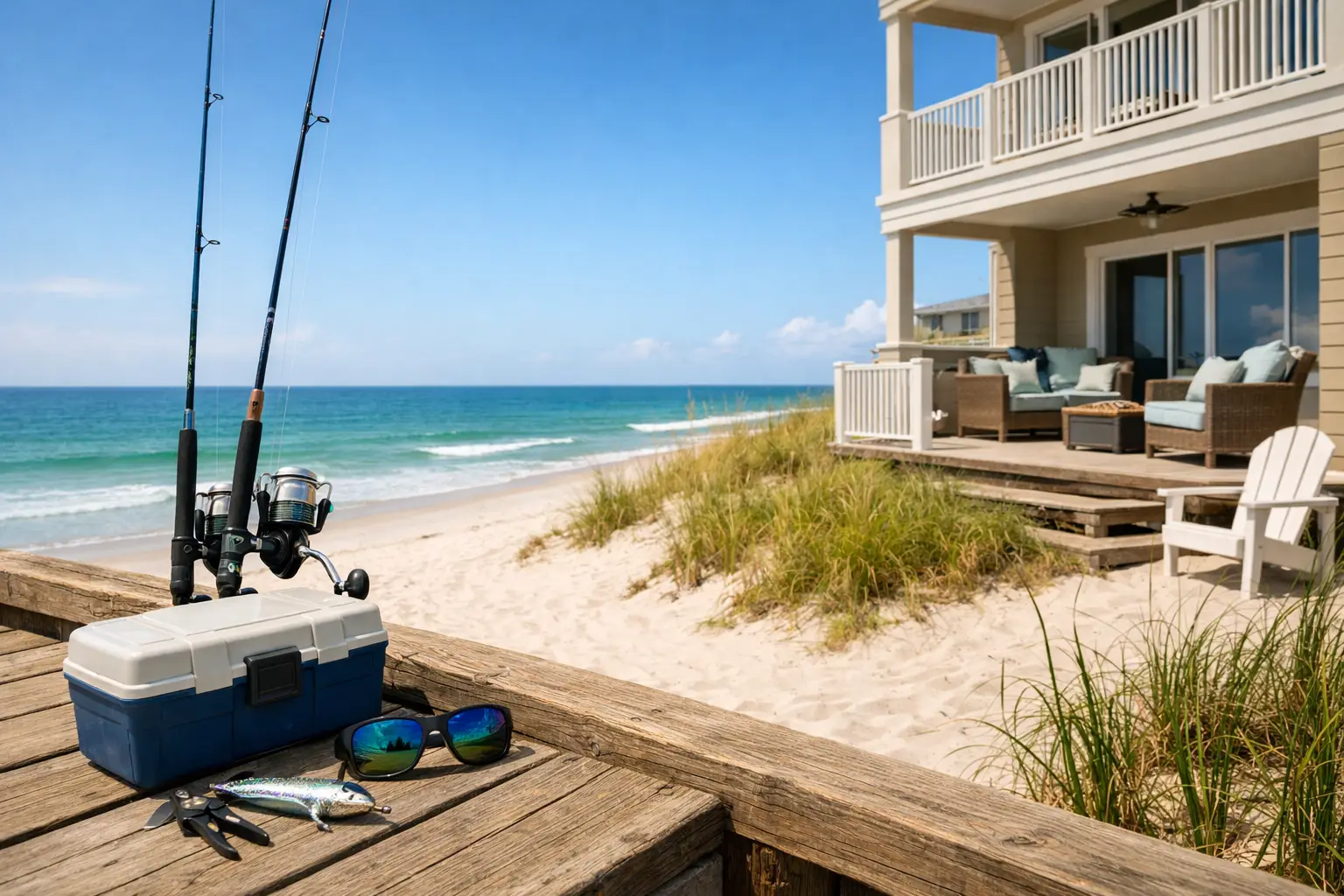
For a basic surf setup, bring a medium-heavy rod, a reliable reel, terminal tackle, bait or lures suited to your target species, a cooler, pliers, a measuring tool, and a way to keep your phone dry. Fresh or frozen bait can work well, while artificial lures are often a practical option when you want to move and cover water.
The island environment asks for more than fishing gear. Polarized sunglasses help you see glare, spot water changes, and protect your eyes. A brimmed hat, sunscreen, lightweight long sleeves, plenty of drinking water, and insect repellent can make the difference between a fun morning and an early retreat. Wear footwear appropriate for shells, hot sand, slippery ramps, or wading bottoms.
For bay wading, add caution to the packing list. A wading belt, personal flotation device where appropriate, a whistle, and a waterproof communication option are sensible choices. Stingrays can be present in shallow water, so shuffle your feet rather than stepping hard when conditions call for it. Never wade alone far from shore or push into water you do not understand.
Stay Close Enough to Fish on Your Schedule
Location matters when the best fishing windows happen near sunrise or just before sunset. A stay near the beach, bay access, marinas, or key island routes gives you more usable time and less gear-hauling frustration. For a group, look for room to rinse equipment, store coolers, prepare a meal, and spread out after a long day outside.
Whitecap Beach can help make that part easier, pairing North Padre vacation rentals with local guidance so your lodging works with the kind of trip you are planning. A canal-view or waterfront stay may suit bay anglers, while a beachside home makes early surf sessions far more convenient. Pet-friendly options can also matter if the family dog is coming along, though pets should stay safely clear of hooks, bait, and the day’s catch.
Before booking, think through the unglamorous details: parking for a truck or trailer, outdoor water access, freezer or refrigerator space, and how far everyone is willing to travel before coffee. These are small considerations until you are carrying rods, ice, and sandy gear at 5:45 a.m.
Make Room for the Rest of the Island
Fishing plans should be purposeful, not rigid. A blown-out surf forecast does not have to erase the day. Shift to protected bay water, book a later charter if conditions improve, spend the morning at a local restaurant, or turn the afternoon into beach time. The best North Padre trips have a Plan B that still feels like vacation.
If you catch fish to keep, handle it promptly, keep it cold, and follow all current regulations. If you come home empty-handed, that is part of coastal fishing too. You still spent the day reading the water, watching the birds, and standing where the Gulf meets the island. Give yourself enough time to return for one more cast when the conditions finally line up.