A North Padre Island vacation can look completely different depending on the wind, the tides, your beach access, and whether your group wants to fish at sunrise or sleep until brunch. That is why the best way to build custom travel itinerary plans is not to fill every hour. Start with the stay, add a few can’t-miss moments, and leave room for the kind of beach day that turns into a favorite memory.
For families, couples, friend groups, anglers, and travelers bringing pets, a useful itinerary should answer practical questions before it suggests another attraction: Where will everyone park? How far is the beach? Is there space to clean up after fishing? Can the kids rest between outings? The right plan makes those details feel easy, so your getaway can actually feel like a getaway.
Build a Custom Travel Itinerary Around Your Stay
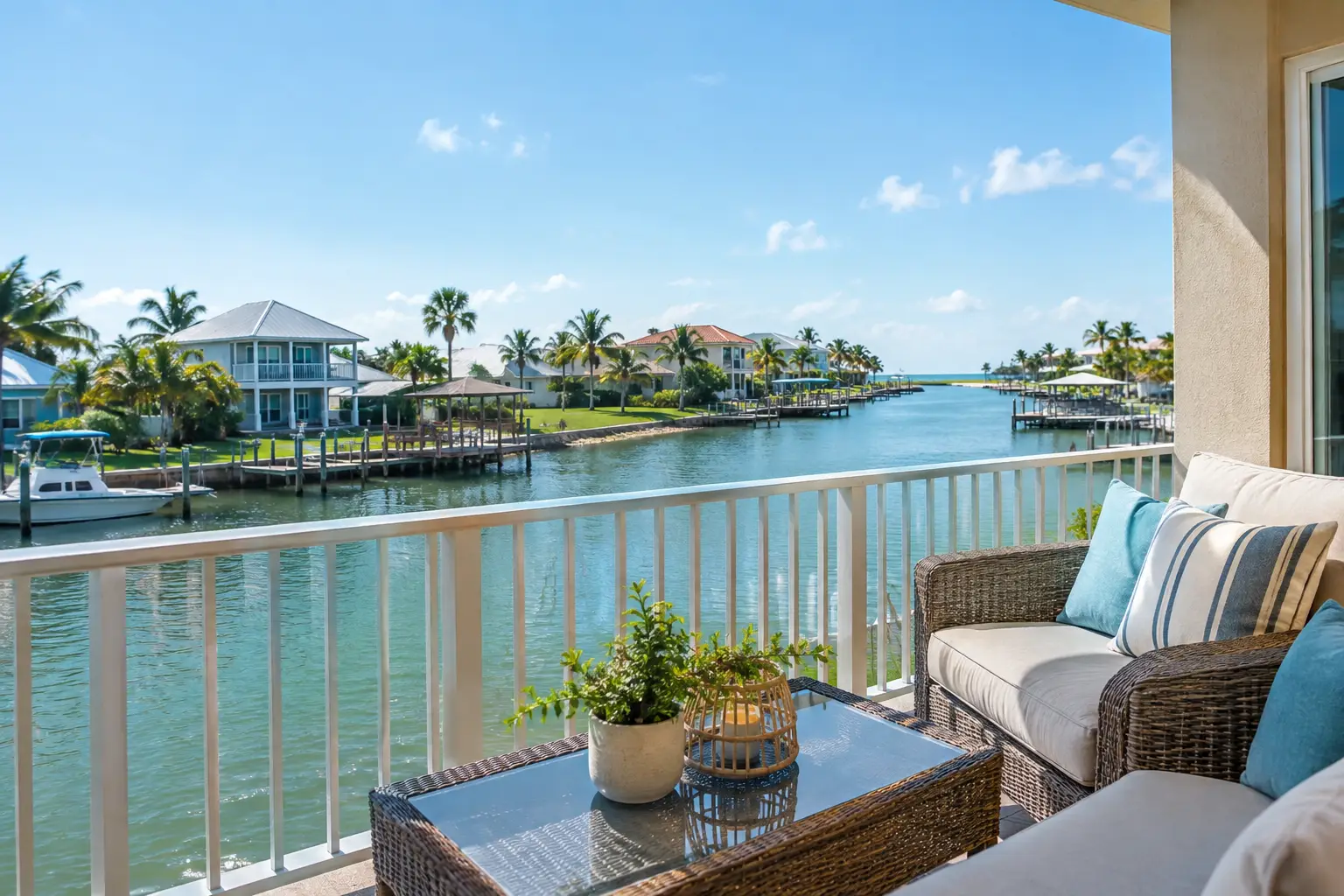
Your rental is more than a place to sleep. On the island, it is the home base that sets the pace for the entire trip. A beachfront or beach-access stay makes early walks and sunset returns simple. A canal-view property may be a better fit for travelers who want to fish, watch boats, or spend slow mornings outdoors. For a larger group, a home with a full kitchen, outdoor seating, and enough room to spread out can save more time than any tightly scheduled plan.
Before choosing activities, look at your arrival and departure windows. If you arrive late Friday, do not plan a full evening across town. Pick up groceries, settle in, and keep dinner close to your rental. If checkout is early, schedule a final beach walk or coffee stop rather than an activity that requires rushing.
It also helps to decide what kind of trip you are taking. A family beach week needs a different rhythm than a couples’ weekend or a fishing-focused long weekend. Trying to combine every version of the coast into one short stay is where itineraries get crowded.
Choose One Main Purpose for Each Day
Give each full day a primary focus, then add one smaller option around it. A beach day might include a relaxed dinner out. A fishing morning might lead into an afternoon by the pool or a quiet nap before sunset. A day exploring Corpus Christi can be balanced with an easy evening back on North Padre Island.
This approach keeps your group from spending half the vacation in the car, changing clothes, checking the time, and deciding what to skip. It also works better when travelers have different energy levels. One person can head out early while everyone else joins later without the entire day falling apart.
Start With Conditions, Not Just a Wish List
The Gulf Coast is generous, but it does not run on a fixed schedule. Wind direction, surf, heat, tides, and rain can change how a day feels. Checking beach and fishing conditions before you head out can help you decide whether it is better to plan a long beach setup, a paddle outing, a fishing session, or an indoor break.
Build alternatives into the plan from the beginning. If your first choice is a beach afternoon, know what you will do if strong winds roll in. That might mean a long lunch, shopping for local supplies, visiting an attraction in Corpus Christi, or returning to the rental for a board-game-and-snack break. Flexibility is not a backup plan here. It is part of planning well.
For anglers, conditions matter even more. Rather than promising a specific catch or committing every morning to the same spot, plan your fishing windows around current reports, weather, and the type of experience you want. Some guests want a peaceful sunrise cast close to their stay. Others are happy to make fishing the headline event of the day. Both can work, but they require different expectations.
Use Geography to Keep the Day Easy
North Padre Island rewards travelers who group activities by area. It is tempting to bounce between the beach, restaurants, shops, and mainland attractions, but extra drives can quietly consume the best parts of the day.
Think in zones. Keep beach access, breakfast, and a casual lunch close together when you want a low-key day. Save a trip into Corpus Christi for a day when you want museums, waterfront sights, or a change of scenery. If you are traveling with kids or pets, plan a return to the rental in the middle of the day when the sun is strongest. That pause can make the evening far more enjoyable.
Traffic, parking, and restaurant wait times also shift on holidays and busy summer weekends. A dinner reservation or an earlier meal time can be worth it if your group is large. On quieter weekdays, you may have more freedom to follow the moment. The itinerary should reflect the season, not fight it.
Plan Three Anchors, Then Protect Free Time
Most travelers need fewer planned activities than they think. For a three-night stay, choose three anchors: perhaps a favorite beach morning, one local dining experience, and a fishing, boating, or exploration day. Everything else can stay flexible.
Here is what that might look like in practice:
- Arrival day: Check in, stock the kitchen, take a sunset walk, and keep dinner simple.
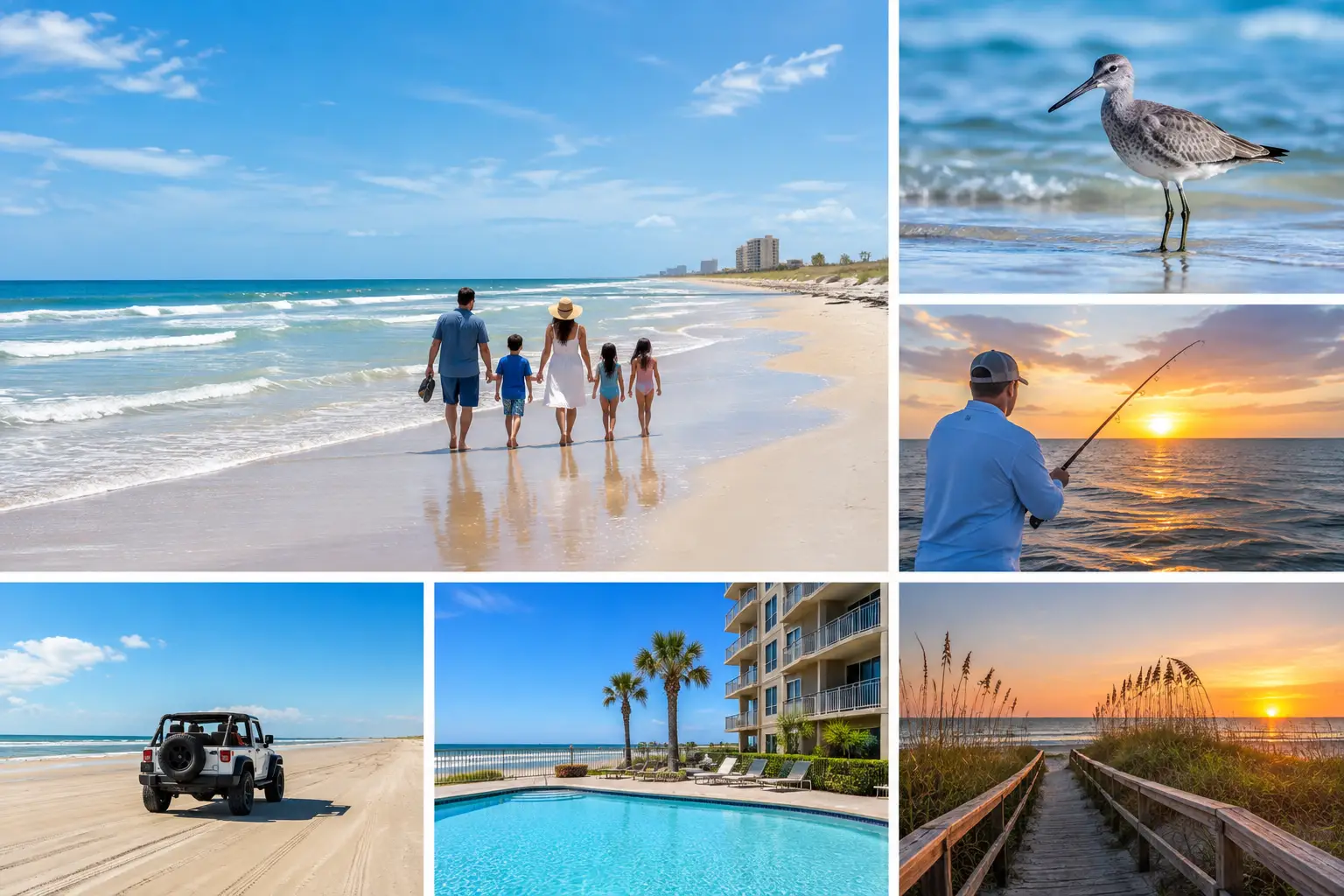
- First full day: Spend the morning at the beach, return to the rental during peak heat, then head out for dinner or sunset views.
- Second full day: Make this your adventure day, whether that means fishing, a boat outing, or time in Corpus Christi.
- Final morning: Grab coffee, revisit the beach, pack at an unhurried pace, and leave with enough buffer for the drive home.
The details will change based on your group, but the shape works because it avoids overplanning. You can always add something when everyone is feeling energized. It is harder to recover time once a packed schedule starts running late.
Make the Itinerary Work for Your Group
A strong itinerary is built around real people, not an idealized vacation version of them. Ask everyone for one priority before the trip. A child may want to build sandcastles. A pet owner may need a convenient walking routine. A friend might care most about a sunset dinner. An angler may want two early mornings on the water. When each person gets one meaningful moment, the group is less likely to feel pulled in different directions.
Food is another common pressure point. If your rental has a kitchen, plan for a blend of meals out and meals at home. Breakfast at the rental and a casual lunch by the beach can leave room in the budget and schedule for a memorable dinner. For a group stay, assign one person to groceries, one to dinner ideas, and one to activity timing. You do not need a committee meeting for every decision.
If you are traveling with pets, verify property rules and think through the practical side before arrival: shaded walks, water, towels, cleanup supplies, and pet-friendly activity options. A pet-friendly trip feels easy when those needs are already part of the plan rather than an afterthought.
Leave Space for Local Finds
The most memorable coastal moments are often the ones you could not schedule exactly: a calm stretch of water, birds along the shoreline, a restaurant recommendation from a local, or a sunset that makes everyone put down their phone. Your itinerary should create the conditions for those moments instead of eliminating them.
Use local guidance to narrow your choices, especially if this is your first time on the island. Whitecap Beach can help travelers pair the right stay with current conditions and personalized ideas, making it easier to plan with confidence without turning your vacation into a checklist.
A Better Itinerary Feels Lighter, Not Busier
The goal is not to prove that you saw everything. It is to return home feeling like you had the trip you came for. Keep your daily plan clear, leave room for weather and mood changes, and choose a stay that supports the way your group actually travels. Then let the coast do what it does best: slow the day down at exactly the right time.