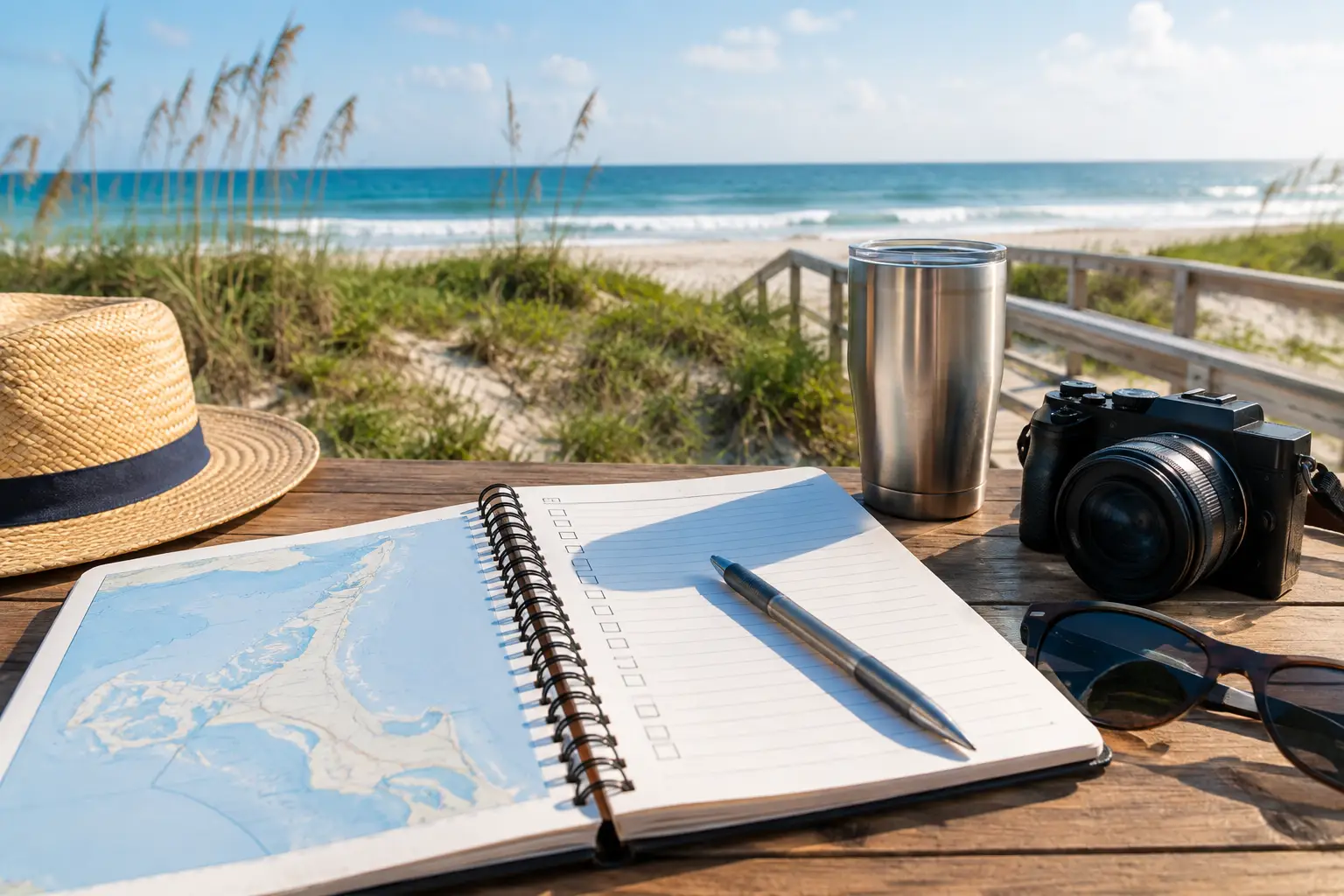
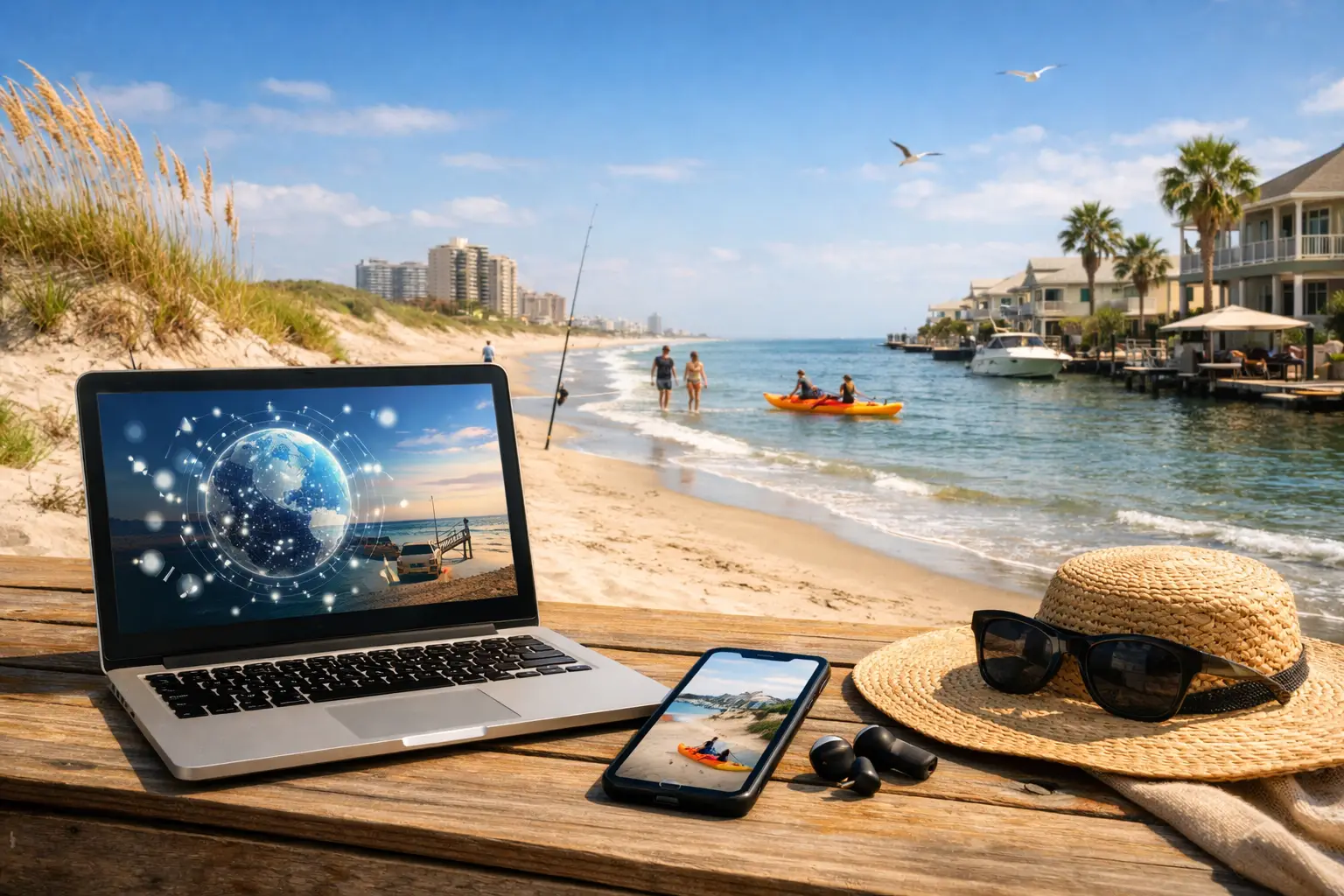
A North Padre Island trip can look simple on a map: pick a beach, reserve a place to stay, and head for the coast. But the details shape the experience. Which rental works for a family and a dog? Is the wind better for a beach afternoon or a bay-side outing? Where should anglers go when conditions shift? AI travel can help turn those open questions into a plan that fits the people actually taking the trip.
Used well, AI is not a replacement for local judgment. It is a fast planning partner that can organize preferences, compare options, and adjust an itinerary when real life gets involved. For a Gulf Coast getaway, that means spending less time opening tabs and more time watching the tide roll in.
What AI Travel Does Well
The best use of AI travel is personalization. Instead of sorting through broad, one-size-fits-all lists, travelers can describe what matters: a pet-friendly condo near the sand, easy parking, a quiet canal view, dinner options for a group of eight, and activities that will keep two kids entertained without packing every hour of the day.
AI can take those details and create a useful starting point. It can suggest a loose itinerary, help prioritize neighborhoods, build packing lists around the season, and offer alternatives when someone in the group wants to fish while someone else wants a pool day. It is especially helpful for first-time visitors who know they want a beach escape but have not yet learned the rhythm of the island.
It also reduces decision fatigue. A couple planning a long weekend does not need 40 restaurant ideas. They need a few recommendations that fit their budget, location, and preferred pace. A friend group may need a rental layout that makes shared meals easy, plus a plan that leaves room for beach time, live music, and a late breakfast the next morning.
The value is not in asking AI to plan every minute. The value is getting a clear first draft that you can make your own.
Start With the Stay, Not the Itinerary
On a coastal trip, the right home base changes everything. A beachfront rental makes sunrise walks and quick returns for snacks or naps much easier. A canal-view property can be the better fit for travelers who want to bring a boat, fish nearby, or enjoy quieter evenings outdoors. For larger groups, bedroom count is only part of the equation. Kitchen space, parking, outdoor seating, and proximity to the beach can matter just as much.
Give an AI planner the practical details before asking for activity ideas. Share your travel dates, group size, ages of children, whether you are bringing a pet, your approximate budget, and the kind of stay you want. Mention non-negotiables, too, such as an elevator, a ground-floor entry, a heated pool, boat access, or a short walk to the water.
A prompt can be as direct as: “Plan a four-night North Padre Island trip for two adults, two children, and a medium-sized dog. We want a pet-friendly rental close to the beach, casual seafood, one rainy-day option, and plenty of unplanned time.” Specific inputs lead to more useful suggestions.
Whitecap Beach brings that planning process closer to the destination itself, pairing vacation rentals with local guidance and an AI concierge designed around the island. That local context matters because a recommendation that sounds good in general may not make sense for your exact dates, location, or travel style.
Ask for options, not one perfect answer
AI works best when you request choices with clear trade-offs. Ask for two possible weekend plans: one for calm beach weather and one for a windy day. Request a budget-friendly version and a more indulgent version. Ask for a family plan with short drives and another that includes more exploring.
This approach keeps the trip flexible. It also makes it easier to spot what you value most. You may discover that being steps from the beach is worth more than a larger living room, or that a canal-side location better suits a fishing-focused weekend.
Use AI Travel to Plan Around Coastal Conditions
The Texas coast has its own schedule. Wind, heat, tide, rain, and seasonal crowds can all change how a day feels. AI can help you think through those variables, but it should not be treated as a live weather station or a final authority on safety.
Before your trip, use it to build condition-based plans. If the day is sunny and calm, a beach morning followed by lunch and an afternoon swim may be ideal. If the wind picks up, you might shift toward sheltered activities, shopping, a long lunch, or time at your rental’s pool. Anglers can ask for general ideas based on the species they hope to target and then check current fishing reports, weather, tides, and local guidance before heading out.
Once you are on the island, verify time-sensitive information. Beach access, water conditions, business hours, events, road work, and fishing conditions can change. AI can help you create a smart backup plan, but current local updates should guide the final call.
That balance is the difference between convenient planning and overreliance. Think of AI as the person who has organized your options, not the person making decisions for you.
Build an Itinerary With Breathing Room
A good beach itinerary is not packed. It has anchors: a few reservations or must-do experiences, a comfortable place to stay, and open blocks that let the group follow the weather and their energy level.
For a three-day visit, AI can help arrange the basics without turning the weekend into a checklist. The arrival day may be best for settling in, picking up groceries, and taking an easy sunset walk. A full day can center on the beach or fishing, with a planned dinner afterward. The final morning can stay light enough for coffee, a last walk, and an unhurried checkout.
Families benefit from this structure because it accounts for naps, snack breaks, and changing moods. Couples often appreciate it because it leaves room for a spontaneous detour or a lingering meal. Groups avoid the familiar problem of trying to coordinate every person’s wish list at once.
When asking AI for an itinerary, tell it how much downtime you want. “One activity per day” produces a very different trip from “keep us busy from breakfast through evening.” Neither is wrong. It depends on whether your goal is exploration, rest, or a mix of both.
Make room for local discoveries
Some of the best moments on North Padre Island are not easy to schedule. It may be a quiet stretch of shoreline after breakfast, dolphins offshore, an unexpectedly good local meal, or the decision to stay on the patio because everyone is finally relaxed.
Leave open space for those moments. Ask AI for nearby options rather than a rigid sequence of stops. A short list of places that fit your location and mood is more useful than an overplanned route that falls apart when the weather changes.
Be Careful With Generic Recommendations
AI draws from patterns and available information, which means its suggestions can sometimes be dated, overly broad, or based on what is popular rather than what is right for you. A restaurant may have changed hours. An attraction may be seasonal. A “nearby” recommendation may be farther away than it sounds once traffic, parking, and a tired toddler are part of the equation.
Use a few simple checks before building plans around a recommendation. Confirm hours and availability directly. Check current conditions for outdoor activities. Read rental details closely rather than assuming every beach property has the same access, amenities, or pet policy. If accessibility is a priority, ask specific questions about entrances, elevators, parking, bathrooms, and paths to the beach.
Privacy matters, too. You do not need to share sensitive personal information to get a useful plan. Travel dates, group needs, and general preferences are enough. Save reservation numbers, payment details, and other private information for the booking process itself.
Better Prompts Make Better Beach Trips
The most helpful AI requests include constraints. Instead of asking, “What should we do in Corpus Christi?” give the planner enough context to narrow the field. Mention your starting point, transportation, group type, preferred pace, and must-have experiences.
Try questions like these in your own words: “What can a family do near North Padre Island if it rains for half a day?” “Create a relaxed anniversary weekend with a beachfront stay, good seafood, and no more than one scheduled activity each day.” “Plan a fishing-focused trip for four friends who also want a place with room to cook and unwind.”
Then refine the answer. Ask it to shorten driving time, add pet-friendly choices, remove expensive activities, or offer a backup plan for wind. Planning becomes a conversation rather than a search marathon.
Your beach getaway starts with a place that fits, then gets better when the plan leaves room for the coast to surprise you. Let AI handle the first draft, keep current local conditions in view, and save a little space in every day for the part of the trip you could not have planned.