
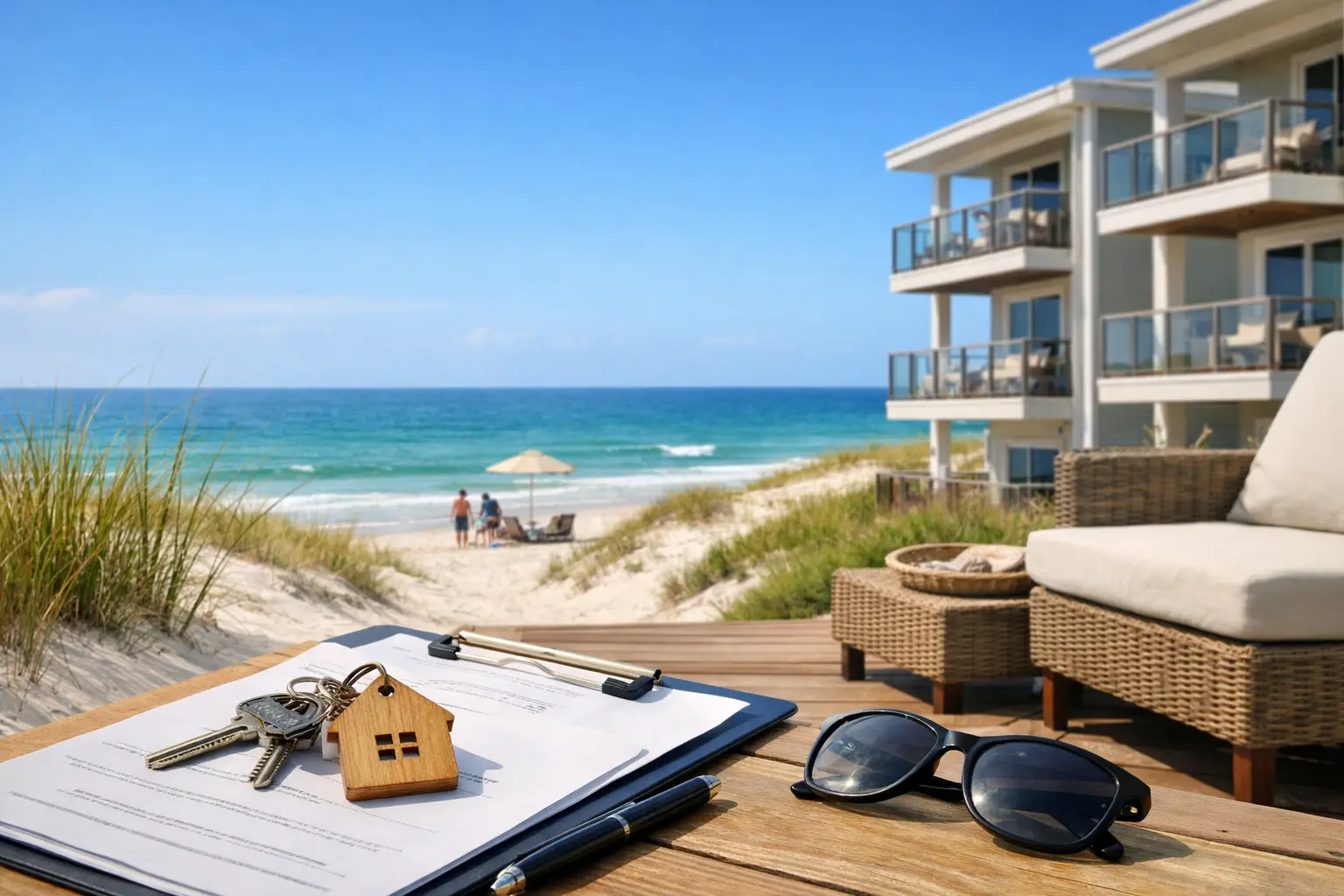
A short term rental investment north padre can be more than a place to escape for long weekends. The right condo or coastal home can serve beachgoing families, fishing groups, pet owners, and repeat Gulf Coast guests while giving you a personal place to enjoy between bookings. The opportunity is real, but the purchase only works when the property, numbers, operating plan, and guest experience all line up.
North Padre Island is not a one-size-fits-all vacation rental market. A canal-view townhome appeals to a different guest than a walkable beach condo, and a large home built for two families has different earning potential and operating costs than a compact couples retreat. Before falling for the view, build an investment plan that fits the way people actually travel to the island.
Start With the Guest You Want to Host
The strongest vacation rentals are designed around a clear guest. On North Padre, that may be a family looking for easy beach access and a pool, a group planning a fishing trip with room for gear, or pet owners who do not want to leave a family member behind. The more clearly a property answers a guest's needs, the easier it is to market, price, and maintain.
For example, a two-bedroom condo near the beach may perform best when it feels simple and effortless: comfortable beds, a well-stocked kitchen, straightforward parking, beach gear, and a clean place to rinse off after the sand. A larger canal-front home may need outdoor dining, a fish-cleaning setup where appropriate, room for trailers, and enough seating for the whole group. Guests book the stay they can picture themselves enjoying.
This is also where location becomes more specific than a map pin. Beach proximity matters, but so do practical details: whether guests can comfortably carry chairs and coolers to the sand, how close the property is to restaurants and essentials, whether parking is convenient, and whether the route in and out feels easy on a busy holiday weekend. A property that looks close to the water can still create friction if the guest experience is inconvenient.
Underwrite a Short Term Rental Investment on North Padre
A listing's projected income is only one piece of the purchase decision. Smart underwriting begins with realistic occupancy and nightly-rate assumptions, then gives equal attention to the expenses that coastal ownership brings.
Start with comparable properties that truly match yours in bedroom count, sleeping capacity, condition, location, amenities, and view. A newly updated waterfront property should not be modeled against an older inland unit simply because both have two bedrooms. Likewise, peak summer rates should not be treated as the year-round average. North Padre has busy beach periods, holiday demand, fishing travel, and quieter stretches that need to be reflected in the annual forecast.
Then calculate expenses conservatively. Your operating budget should account for mortgage payments if financed, property taxes, insurance, HOA or condo fees, utilities, internet, cleaning, linens, supplies, maintenance, pest control, landscaping or pool service when applicable, booking fees, and management fees. Coastal properties also deserve a healthy reserve for wear from salt air, humidity, wind, sand, and frequent guest turnover.
Do not overlook replacement costs. A great rental needs reliable mattresses, durable seating, cookware, towels, smart locks, televisions, and outdoor furnishings. These items are not one-time purchases. The goal is to keep the home guest-ready without reacting to every worn item as an emergency.
The most useful question is not, "What could this earn in a perfect year?" It is, "What does this property produce after realistic costs, slow periods, and ongoing care?" That answer gives you room to make a confident offer and weather normal market variation.
Know the Rules Before You Make an Offer
Before committing to a property, review the rules that govern it. Short-term rental requirements can involve local registration, tax collection, occupancy standards, parking expectations, and safety requirements. Condo associations and HOAs may have their own rental restrictions, minimum stay requirements, approval processes, or limits on guest behavior.
Read governing documents carefully rather than relying on a quick verbal answer. Ask whether short-term rentals are permitted today, whether there are pending policy changes, how violations are handled, and whether there are restrictions on pets, trailers, golf carts, or exterior improvements. A building with a lower purchase price is not automatically a better investment if its rules limit the audience you plan to serve.
Insurance deserves the same level of attention. Coastal coverage, deductibles, flood considerations, and rental use can materially change your annual carrying cost. Speak with a qualified insurance professional early in the process, especially if you are comparing properties with different elevations, construction types, or proximity to the water.
Buy for Durability, Not Just the Photo
A striking balcony view can help a listing earn clicks, but dependable operations create the reviews that keep it booked. Look past staging and inspect the practical side of the home: HVAC age and service history, windows and doors, roof condition, drainage, appliances, exterior surfaces, plumbing, and signs of moisture. On the coast, deferred maintenance tends to become more expensive, not less.
Choose finishes that can handle vacation use. Washable paint, resilient flooring, quality bedding, secure outdoor furniture, and easy-to-clean surfaces protect both the guest experience and your maintenance budget. This does not mean making the home generic. It means creating a relaxed coastal setting that still works after a week of wet swimsuits, sandy feet, and family dinners.
A thoughtful amenity plan can set the property apart. Beach chairs and a wagon are useful if they are maintained and easy to access. A pet-friendly policy can expand demand if the home has durable floors and clear guidelines. A washer and dryer can matter more to a family staying five nights than another decorative accent wall. Add what solves a real vacation problem.
Plan for Revenue Management and Local Care
Short-term rental income is not passive simply because bookings happen online. Pricing needs to respond to seasonality, local events, lead time, day-of-week demand, and the property's booking pace. A rate that is too high can leave valuable nights empty. A rate that is too low may fill the calendar while sacrificing revenue and attracting guests who do not value the home.
Presentation matters just as much. Professional photography, accurate descriptions, clear sleeping arrangements, and straightforward house rules reduce surprises before guests arrive. Once they do arrive, fast communication and reliable support protect reviews. Travelers remember how a problem was handled, whether that means a door code issue, a question about beach conditions, or a request for a local dinner recommendation.
This is where a locally embedded management approach can be valuable. Whitecap Beach combines vacation rental management with destination insight, helping owners position a property around the experiences guests came for rather than treating it as another generic listing. For an owner, that can mean a more consistent guest journey and a clearer strategy for protecting the asset over time.
Build a Purchase Team That Tests Your Assumptions
A coastal investment benefits from specialists who understand both real estate and vacation rental operations. Your team may include a real estate professional, lender, insurance agent, inspector, accountant, and property manager. Each should be willing to challenge the assumptions behind the deal, not simply affirm the purchase.
Ask direct questions. What are comparable homes actually earning after costs? Which amenities appear in the best-reviewed listings? What maintenance issues are common for this property type? What do HOA documents allow? How much owner use can the forecast absorb? A property can be a wonderful second home and a weaker rental investment if personal stays consistently take the highest-demand dates. That is not necessarily a bad outcome, but it should be an intentional trade-off.
Think Beyond the First Summer
The best North Padre investment is one you can hold with confidence. That means buying at a payment and expense level you can support, maintaining the property before small issues grow, and refreshing the guest experience as expectations change. It also means leaving room for weather disruptions, slower booking windows, and the occasional unexpected repair.
When a property is selected with the guest in mind and operated with local care, it can deliver something more durable than a seasonal income projection: a coastal home that travelers want to return to, and an asset you are proud to own.