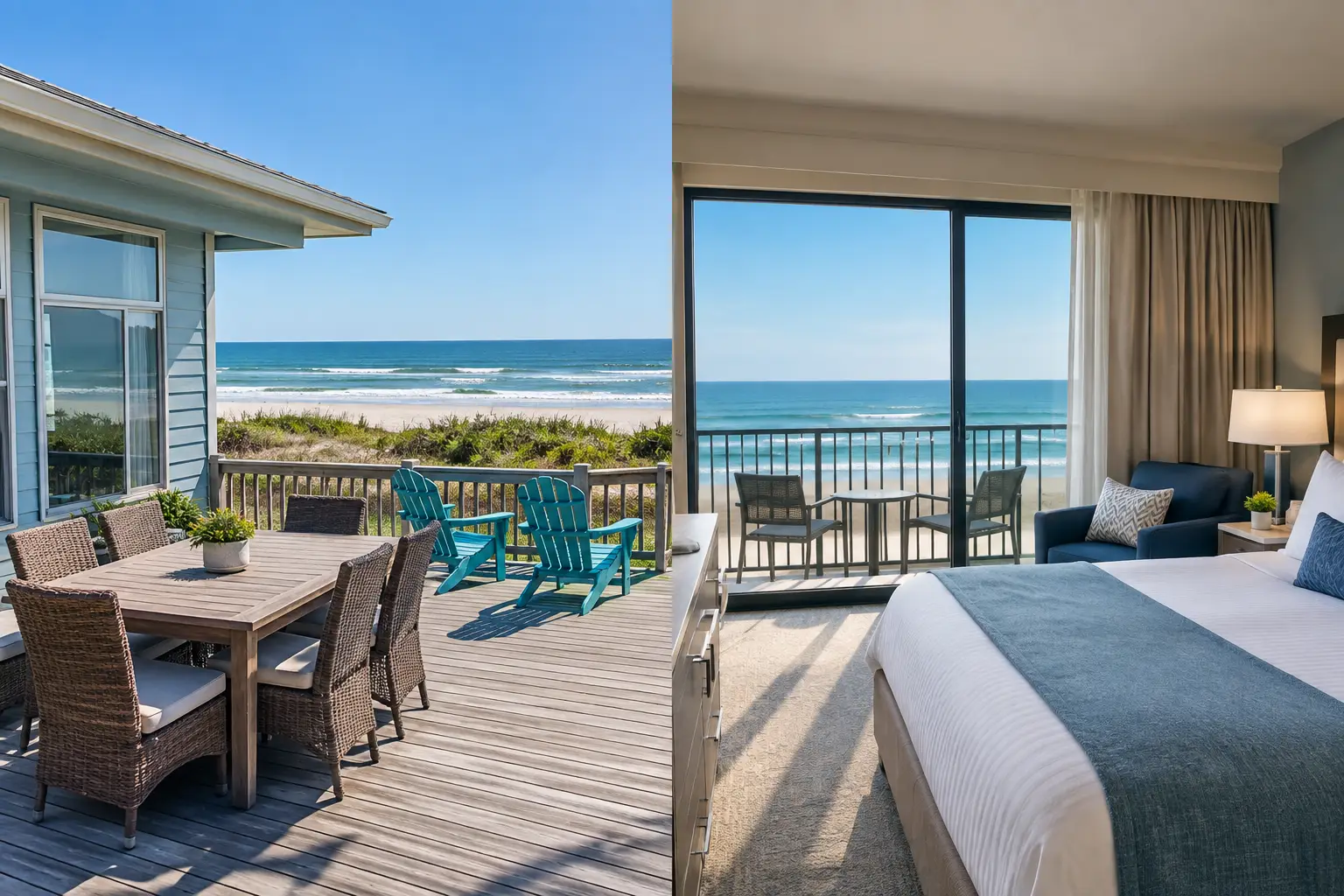
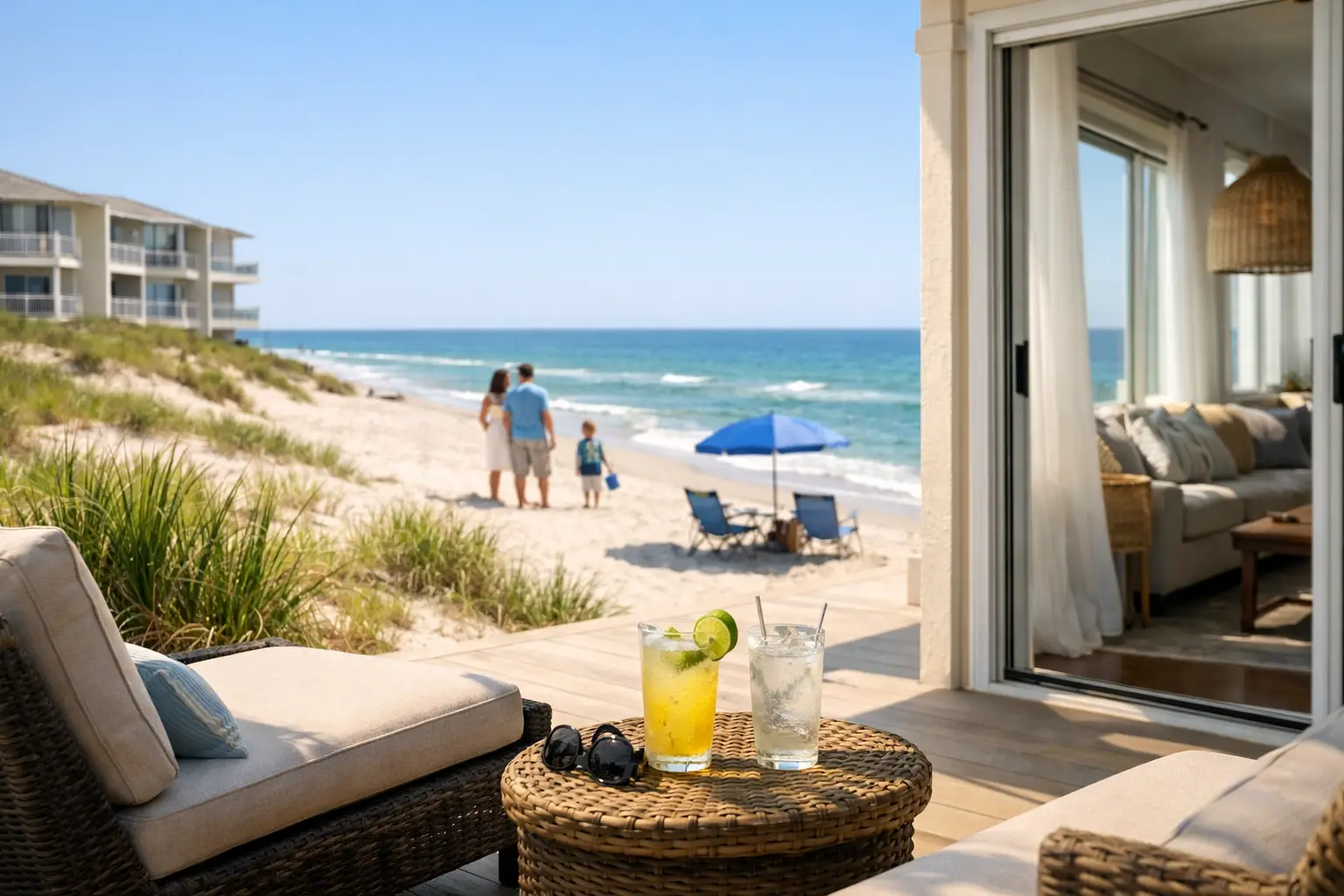
The photos look perfect until you realize the "beachfront" condo sits over a busy road, the balcony faces the parking lot, and the nearest easy beach access is a ten-minute walk with kids, coolers, and chairs. If you're figuring out how to choose beachfront rental options for a real vacation, not just a pretty listing, the details matter more than the headline.
A great beachfront stay can change the entire trip. You spend less time loading the car, less time coordinating everyone, and more time actually enjoying the water, sunrise, breeze, and slower pace you came for. But not every property described as beachfront delivers the same experience, and the right pick depends on who you're traveling with, how you like to spend your days, and what kind of beach access you actually want.
How to choose beachfront rental options that fit your trip
Start with your version of a beach day. A couple planning a quiet long weekend usually wants something different from a family with small children or a friend group mixing beach time with fishing, dining, and nightlife. Before you compare listings, get specific about what will make the stay easy.
If your priority is waking up to an open Gulf view and walking straight onto the sand, true beachfront or Gulf-front matters. If you care more about extra space, boat access, or a lower nightly rate, a waterfront canal property or a place a short walk from the beach may actually suit you better. Plenty of travelers pay for a premium view when what they really needed was easier parking, a pet-friendly setup, or enough bedrooms for everyone to sleep comfortably.
That trade-off matters because beachfront pricing reflects proximity, view, and convenience. The closer you are to the water, the more selective you need to be about where the money is going.
Know the difference between beachfront, beach view, and beach access
This is where a lot of booking regret starts. "Beachfront" should mean the property sits directly on the beach or dunes with immediate access. "Beach view" usually means you can see the water, but you may not be right on it. "Beach access" can mean anything from a short, simple walk to a longer route that feels much less convenient once you're carrying gear.
Look closely at the listing photos, map placement, and property description. Ask yourself a simple question: when you leave the unit, how long does it take to get your feet in the sand? That answer tells you more than marketing language ever will.
For some travelers, especially families or older guests, the difference between direct access and "near the beach" is the difference between a relaxing stay and a logistical workout twice a day.
Focus on the property, not just the shoreline
A beachfront location gets the click, but the property itself determines whether the trip feels easy. Start with layout. An attractive two-bedroom can still be a poor fit if one room is tiny, the bunk area has no privacy, or the living space can't comfortably handle your group.
Think through the hours when you're not on the beach. Is there enough seating for meals and downtime? Is the kitchen usable if you plan to cook breakfast or clean the day's catch? Are there washers and dryers for wet towels and sandy clothes? These details sound small before arrival and very important on day two.
Outdoor setup matters too. A private balcony, shaded patio, rinse station, or storage space for beach gear can improve the experience more than an extra decorative upgrade inside. If you're traveling with pets, check the rules carefully. Pet-friendly should tell you more than whether animals are allowed. You want to know weight limits, fees, breed restrictions, and whether the layout makes pet travel practical.
Pay attention to the building and access experience
In condos, the unit is only part of the story. Elevator wait times, parking rules, luggage carts, shared pools, and how close the building sits to the beach access point all affect your stay. A beautiful unit on paper may feel less convenient if parking is tight or the boardwalk route is longer than expected.
This is especially worth checking if you're traveling with young children, grandparents, surf gear, or fishing equipment. Easy access can be worth more than a slightly better interior finish.
Be honest about your budget
The nightly rate is only the beginning. When deciding how to choose beachfront rental options, compare the total stay cost, not just the advertised price. Cleaning fees, resort fees, pet fees, parking charges, and minimum stay requirements can change the value quickly.
Sometimes a higher nightly rate in a better location saves money elsewhere because you drive less, dine out less often, or avoid renting extra gear. Other times, moving one row back from the beach gives you far more space for the same total spend.
Season matters too. Peak summer, holidays, and event weekends usually bring higher rates and less flexibility. If your schedule allows for shoulder season, you may get a much stronger property for the same budget, often with a quieter beach and a more relaxed feel.
Timing changes what "best" looks like
There isn't one best beachfront rental year-round. In warmer months, direct beach access and pool amenities may top your list. In cooler seasons, a bigger balcony, stronger indoor living space, or proximity to restaurants and local attractions may matter more.
If your trip centers around fishing, beach driving conditions, or a specific seasonal event, let that shape the rental choice. The right property supports the trip you actually plan to have.
Read for friction, not fluff
Reviews are most useful when you stop looking for praise and start looking for patterns. Guests almost always mention if a place is clean and nicely decorated. What you need to find are recurring details that affect your routine.
Look for comments about noise, mattress comfort, beach walk difficulty, Wi-Fi reliability, parking, building maintenance, and how quickly management responds when something goes wrong. A single complaint may be noise. Five similar complaints are a clue.
Also pay attention to what reviewers don't mention. If a listing heavily promotes family-friendly travel but no one talks about easy beach days with kids, spacious common areas, or useful amenities, that absence can be telling.
Ask the questions that save the trip
Before you book, confirm the details that can create disappointment later. Ask whether the photos reflect the current condition of the property, how beach access works from the unit, what is included for guests, and whether any repairs or amenity closures are expected during your dates.
If the trip depends on specifics, ask directly. Is there room for a boat trailer? Is the pool heated? Is the balcony private? Is there an outdoor shower or rinse area? Are beach towels, chairs, or carts provided? Direct answers save assumptions, and assumptions are expensive on vacation.
A good local host should be able to answer these questions clearly and quickly. That responsiveness often says as much about the stay as the property itself.
Choose local knowledge when possible
Big booking platforms make it easy to compare inventory, but they don't always make it easy to understand place. A local company or host can often tell you whether one building is better for sunrise views, whether a certain stretch of beach is easier for families, or whether a canal-front option may fit anglers better than a Gulf-front condo.
That kind of guidance is especially helpful in destinations like North Padre Island, where the right stay depends on how you want to use the water. Whitecap Beach, for example, is built around that local planning mindset - not just where to sleep, but how to match the stay to the trip.
When booking beachfront, local context is a real advantage. It helps you avoid paying top-dollar for the wrong kind of convenience.
The best rental is the one that makes the trip feel easy
A beachfront vacation should reduce effort, not add hidden friction. The smartest way to choose is to look past the headline, picture your actual days, and book the property that fits those moments best - morning coffee with a view, quick beach setups, easy dinners, comfortable sleep, and enough room to settle in.
When a rental matches the way you travel, the coast feels closer before you even unpack.