A good surf day on the Texas Coast rarely announces itself with perfect postcard waves. More often, it starts with the right wind direction, a little incoming swell, and a willingness to check conditions before loading the board. This guide to Corpus Christi surf conditions helps you read the variables that matter so you can spend less time guessing and more time catching the best windows around North Padre Island.
Corpus Christi is not a daily, long-period swell destination, and that is part of its character. Surf here is shaped by Gulf weather, passing fronts, tropical systems, local wind, tides, and sandbars that can change from one stretch of beach to the next. Bring realistic expectations, stay flexible, and you can find plenty of fun sessions from a waist-high summer runner to a powerful fall swell.
What Shapes Corpus Christi Surf Conditions?
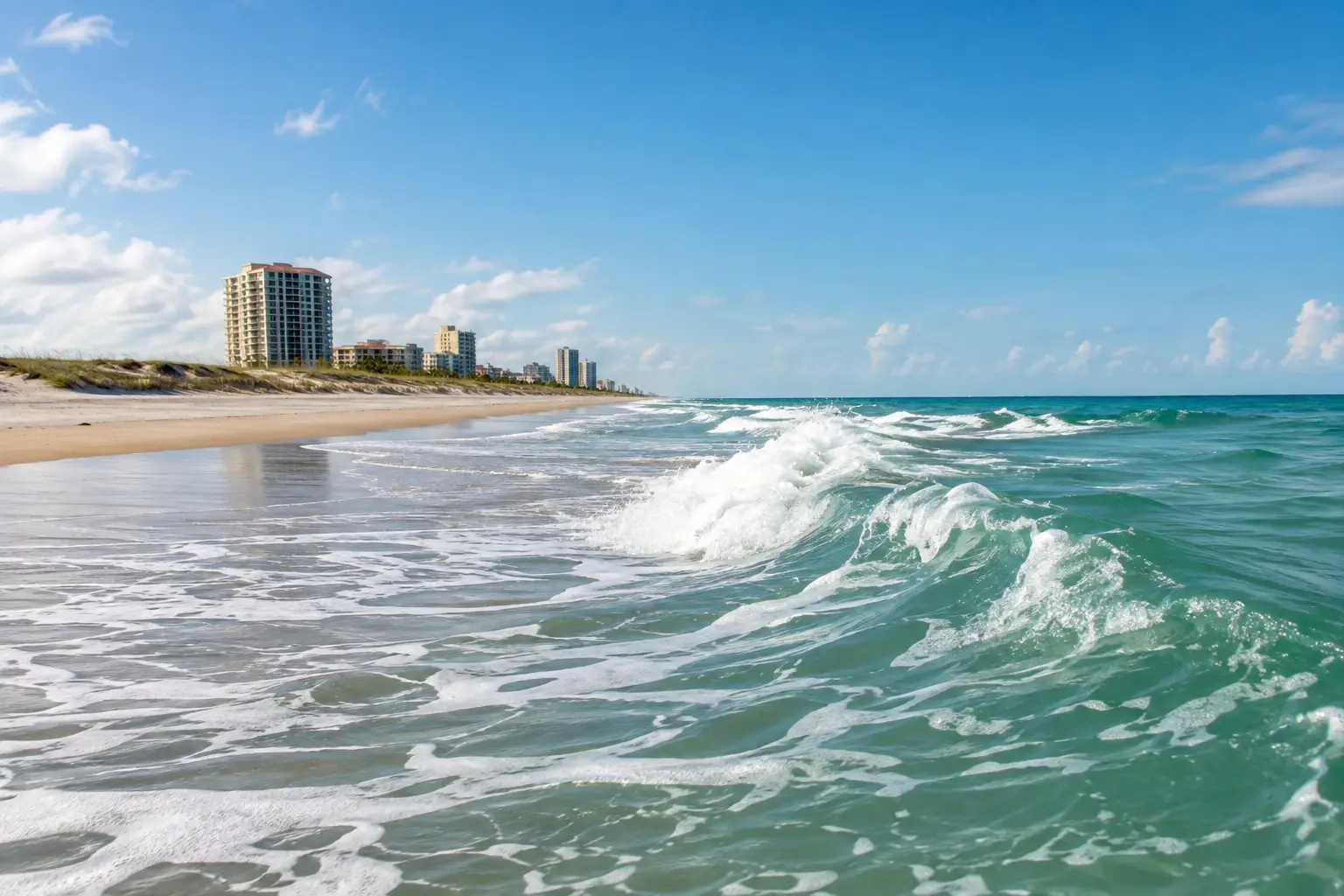
The Gulf of Mexico has a relatively short fetch compared with the Pacific or Atlantic, so local wind plays an outsized role. A light offshore or side-offshore breeze can clean up a modest swell quickly. Onshore wind can build surf, but if it blows too hard or too long, it also turns the lineup into a choppy, scattered mess.
The most useful way to look at the forecast is as a combination of swell height, swell period, wind, tide, and recent weather. A forecast showing three-foot surf may sound promising, but that number alone does not tell you whether waves will be organized. A two- to three-foot swell with a longer period and light wind can be far more enjoyable than bigger wind-driven surf.
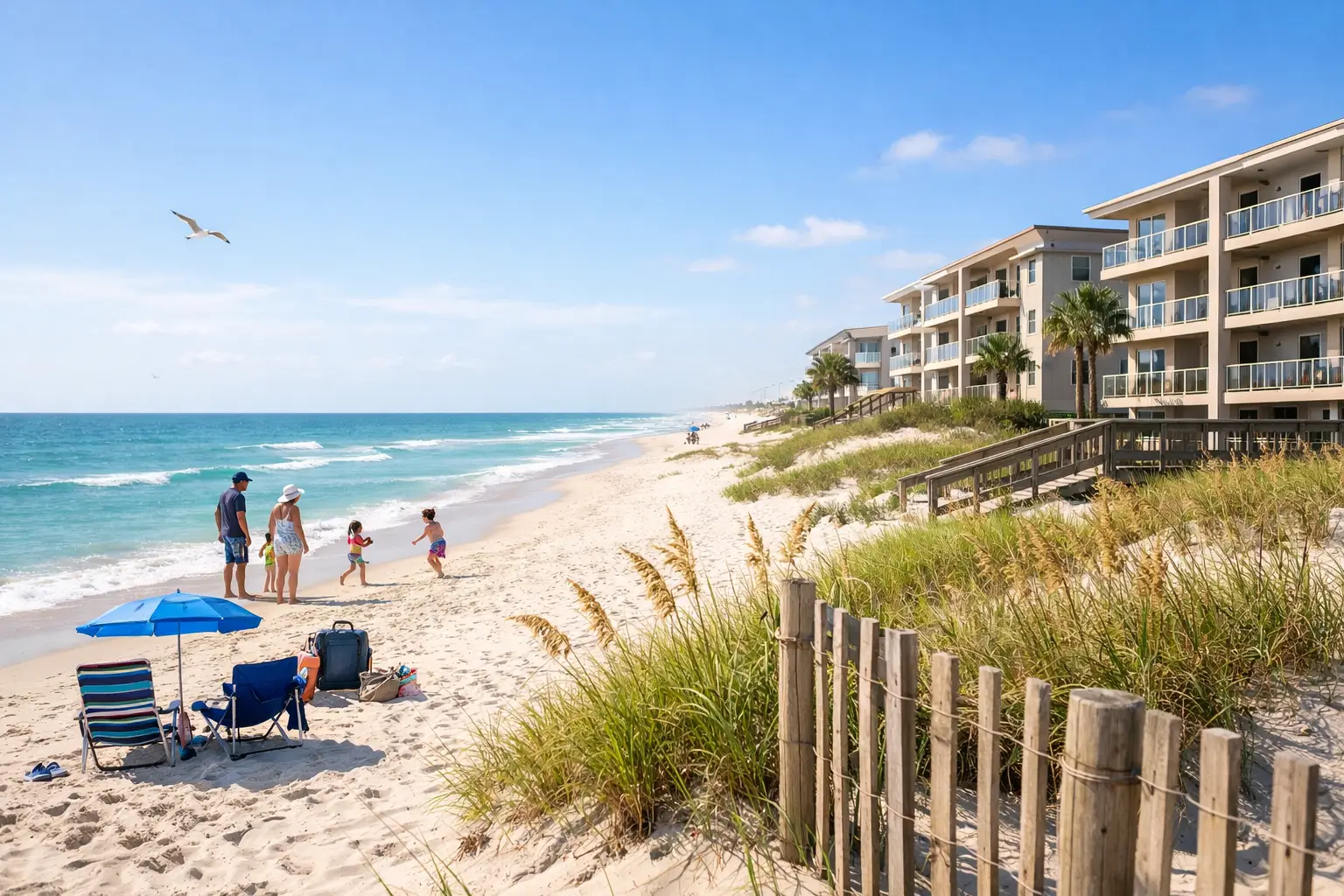
Sandbars matter just as much. North Padre Island beach breaks are constantly being rearranged by tides, currents, storms, and vehicle traffic. One access point may have a clean shoulder while another has closeouts. If the first spot is not working, give yourself time to check another nearby stretch of beach.
Wind Direction: The Fastest Read on Wave Quality
For much of the year, southeast and south winds are common along the coast. They can create rideable wind swell, especially when they have had time to build, but they also tend to add texture and chop. Early mornings are often calmer before the sea breeze strengthens, which is why dawn patrol is a smart habit here.
North and northwest winds can improve the surface after a front, particularly when there is leftover swell in the water. These conditions can make smaller waves look cleaner and offer more defined sections. The trade-off is that fronts can bring cooler water, shifting currents, and quickly changing conditions.
East wind is often a mixed bag. A light east breeze may be manageable, while stronger east or northeast wind can create plenty of size with less shape. Watch for wind speed, not only direction. Ten mph and 20 mph can feel like two entirely different forecasts.
Best Seasons for Surf Around North Padre Island
There is surf potential year-round, but each season asks for a slightly different approach.
Summer: Warm Water and Wind Swell
Summer offers the warmest water, long beach days, and frequent small wind-driven waves. It is a great season for beginners, longboarders, and families who want to mix a surf session with swimming, fishing, or a relaxed day by the water. Mornings generally offer the cleanest conditions before afternoon winds pick up.
Summer can also produce bigger surf when tropical moisture, offshore systems, or distant storms send energy toward the coast. Those days are exciting, but conditions can change quickly. More size does not automatically mean better conditions for every surfer.
Fall: The Strongest All-Around Window
Fall is often the most reliable season for better surf conditions in the Corpus Christi area. Cold fronts begin interacting with lingering tropical energy, and water temperatures are still comfortable well into the season. This is when Gulf swells can become more organized and local beach breaks may deliver longer, more powerful rides.
It is also a time to pay closer attention to currents and storm activity. A clean-looking face can still have a strong pull along the beach or through a deeper channel.
Winter and Spring: Fronts, Flexibility, and Fast Changes
Winter can bring quality days behind fronts, with offshore winds grooming leftover swell. Water temperatures drop, so a wetsuit may be necessary depending on the day and your comfort level. The weather can shift quickly, and the best window may last only a few hours.
Spring is often windier and more variable. There can be playful wind swell, but clean conditions may be less consistent. It is a good season to keep expectations loose, check the beach often, and have a backup plan such as fishing, dining, or exploring the island if the surf does not cooperate.
How to Read the Forecast Before You Go
Start by checking the surf height and period, then look at wind direction and wind speed for the hours you actually plan to surf. A longer swell period generally means more organized energy, though local sandbars still decide how well that energy breaks.
Next, look at the tide. There is no single best tide for every North Padre beach break because the bars shift so often. Many surfers find that a moving tide creates more life than a completely slack tide, but it depends on the specific spot. If you are staying for several days, surf the same area at different tide stages and notice where the waves begin to improve.
Finally, check radar, marine conditions, and local beach advisories. Thunderstorms, lightning, dense fog, high winds, and rip current flags are not details to ignore. Conditions can look manageable from a vacation rental balcony and feel very different once you are in the water.
Choosing the Right Spot and Board
The coast near Corpus Christi offers open beach breaks rather than one fixed point break with a predictable takeoff. That means mobility is useful. Drive along the beach access areas, watch the waves for at least 10 to 15 minutes, and look for defined peaks, fewer closeouts, and channels where water is moving back out.
For smaller summer surf, a longboard, mid-length, foam board, or higher-volume fish will often create more fun than a shortboard. When a stronger fall or winter swell arrives, experienced surfers may prefer a more responsive board, but only if their skill level matches the power and current.
Beginners should choose days with smaller, cleaner surf and avoid crowds around the most obvious peaks. A lesson or local guide can shorten the learning curve, especially when it comes to reading currents and safely getting through the break. Never surf alone if you are new to Gulf conditions.
Gulf Coast Safety That Belongs in Every Session
Rip currents are the biggest hazard to understand. They often form near jetties, piers, deeper cuts in the sandbar, or anywhere water is funneling back offshore. A rip may look like darker, smoother water with fewer breaking waves, though it is not always obvious.
If you are caught in one, do not fight directly against the current toward shore. Stay calm, conserve energy, and move parallel to the beach until you are out of the strongest pull, then angle back in. If you cannot get free, float, signal for help, and call for attention.
Watch for lightning, changing wind, jellyfish, stingrays, and boat traffic near channels. Shuffle your feet in shallow water during stingray season, keep space between yourself and other surfers, and do not turn your back on larger sets. A few minutes of awareness protects the rest of your beach day.
Make the Most of a Short Surf Window
The best Corpus Christi sessions reward travelers who can adapt. Pack a board the night before, check the conditions early, and be ready to go when wind and tide line up. If you are visiting North Padre Island, choose a stay that keeps you close to the beach so a clean morning window does not disappear in traffic or planning.
Whitecap Beach makes it easier to build that flexibility into your getaway, with local stays and on-island guidance designed around the way beach days actually unfold. Some days call for paddling out at sunrise. Others call for coffee, a long shoreline walk, and trying again when the wind settles. Either way, the coast is better when you let the conditions set the pace.