
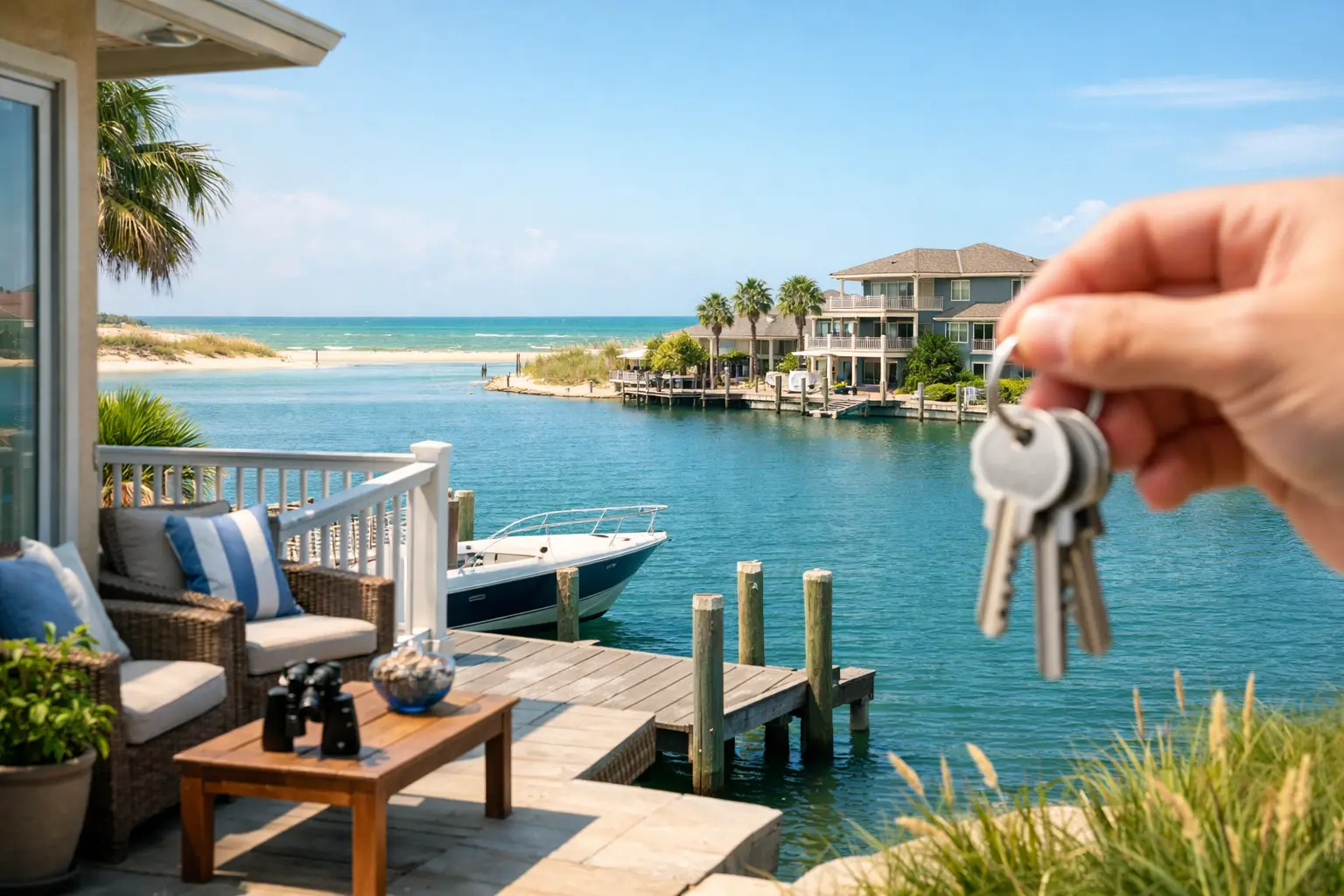
A waterfront rental can earn attention before a guest ever walks through the door. A canal view at sunset, easy beach access, room for a fishing crew, or a pet-friendly patio can turn a simple weekend away into the trip guests remember. But waterfront property management services need to do more than publish beautiful photos. They need to protect a high-value coastal home, meet guest expectations, and make day-to-day ownership feel far less demanding.
For owners on North Padre Island and across the Corpus Christi coast, the right management approach is equal parts hospitality, operations, and local judgment. The goal is not simply to keep a calendar full. It is to build a rental that guests trust, return to, and recommend while giving owners a clear view of how their investment is being cared for.
Why Waterfront Rentals Need a Different Level of Care
Waterfront homes are not managed like standard vacation rentals. Salt air, wind, humidity, sand, and changing weather put more pressure on exterior finishes, HVAC systems, doors, windows, outdoor furniture, decks, and docks. A minor maintenance issue can become a larger one quickly when the property sits near the Gulf or along a canal.
There is also a higher guest expectation. Travelers booking a coastal home are often planning around a specific experience: a family beach week, a fishing trip, a holiday gathering, or a quiet couples getaway. They expect the view to match the listing, the outdoor space to be usable, and the home to feel clean, comfortable, and ready when they arrive.
That is why waterfront property management services should combine routine inspections with responsive coordination. Between stays, a good manager notices details that can affect both the home and the review: corroded hardware, a loose gate latch, fading patio cushions, a sluggish ice maker, a grill that needs attention, or an outdoor shower that is no longer working as it should. These details may seem small, but they shape the guest experience and help prevent avoidable repairs.
Revenue Starts With the Right Positioning
A water view alone does not automatically produce stronger rental performance. A property has to be positioned around what it does best and marketed to the travelers most likely to value it.
A canal-front home with boat access may appeal most to anglers, boating families, and guests bringing gear. A beachfront condo may perform well with couples, small families, and visitors seeking a low-maintenance beach escape. Larger homes with multiple gathering areas, outdoor dining, and flexible sleeping arrangements can be especially attractive to friend groups and multigenerational families.
The strongest listings tell that story clearly. They show where guests will drink morning coffee, clean the day’s catch, watch the sunset, park their vehicles, and settle in after the beach. Professional photography matters, but accurate details matter just as much. Guests should know what the water access is like, whether a dock is available, how close the beach is, what parking is available, and whether the home welcomes pets.
Pricing also needs a local approach. Demand shifts with summer travel, fishing seasons, school calendars, holidays, weather patterns, and island events. A fixed rate can leave revenue on the table during high-demand dates or make a home less competitive when demand softens. Thoughtful rate management considers booking pace, comparable homes, lead time, minimum-stay rules, and the property’s distinct features.
There is a trade-off, though. Chasing maximum nightly rates can reduce occupancy, while discounting too often may attract bookings that do not fit the home’s value. A sound strategy balances rate, occupancy, and the cost of each stay rather than relying on one number alone.
Guest Service Is Part of Property Protection
Excellent guest communication is not just a hospitality extra. It protects the home. Clear arrival instructions reduce lockouts and late-night calls. Simple guidance for parking, trash, beach access, pool rules, docks, and outdoor equipment helps prevent confusion before it becomes damage or a negative review.
Local recommendations also make a meaningful difference. Guests appreciate knowing where to find a casual seafood dinner, family-friendly beach access, bait and tackle, or a good rainy-day activity. When travelers can get reliable guidance without searching through dozens of generic results, they spend less time planning and more time enjoying the island.
Whitecap Beach approaches the guest experience as a full destination stay, not just a transaction for a place to sleep. That mindset helps owners because satisfied guests are more likely to treat a home respectfully, leave stronger reviews, and return for another coastal getaway.
The details guests notice first
Cleanliness remains nonnegotiable, particularly in a beach rental where sand and humidity are constant. But waterfront guests also notice whether outdoor spaces feel cared for, whether beach gear is organized, whether towels and linens are well stocked, and whether the kitchen can handle a real family meal.
They notice responsiveness too. A prompt answer about Wi-Fi, an appliance, or local conditions can save a stay from becoming frustrating. The best management teams are prepared to help without making guests feel like they are being passed from one person to another.
Coastal Maintenance Should Be Proactive, Not Reactive
Waiting for a guest to report a problem is expensive. Regular property checks help identify issues early, especially after severe weather, extended vacancy, or a busy sequence of stays. This is one of the most practical advantages of having a team that understands the specific demands of coastal homes.
A useful maintenance plan usually includes seasonal HVAC servicing, checks of seals and exterior doors, monitoring for moisture concerns, testing smoke and carbon monoxide detectors, evaluating outdoor lighting, and assessing furniture and equipment exposed to the elements. For canal properties, dock conditions, gates, handrails, and water-facing outdoor areas deserve regular attention as well.
Storm readiness matters, but it should be realistic. No management service can remove every risk associated with coastal ownership. What it can do is establish a clear plan for securing the property, communicating with owners, documenting conditions, and coordinating qualified vendors when conditions allow. Owners should understand what is included in that plan before storm season arrives, not while a weather event is already developing.
What Owners Should Expect From Their Management Partner
The best fit depends on the home, the owner’s goals, and how involved the owner wants to be. Some owners want a manager to handle nearly every aspect of the rental. Others prefer to make certain decisions themselves while relying on local help for bookings, cleaning, maintenance, and guest support.
Either way, transparency is essential. Owners should be able to understand how rates are set, how repairs are approved, what fees apply, how damage claims are handled, and how often they will receive performance updates. A manager should be able to explain the logic behind recommendations rather than offering vague promises about revenue.
Ask practical questions before signing an agreement. Who answers guests after hours? How are cleaners inspected? Is there a process for reporting maintenance between stays? What happens when a guest damages an item? How does the team prepare for hurricanes or other severe weather? A clear answer is often more valuable than a flashy sales pitch.
It also helps to look for a management team with genuine local reach. A home can be listed on major booking channels, but the service behind it should understand island traffic, beach conditions, neighborhood expectations, and the vendors needed to keep a coastal rental performing well.
Build a Rental Guests Want to Return To
The most resilient waterfront rentals are not necessarily the largest or most elaborate. They are the homes that deliver on their promise. They feel accurately represented, easy to use, well maintained, and connected to the kind of trip guests came to enjoy.
For an owner, that starts with a management partner who sees the property as both an investment and a guest experience. With attentive care, clear communication, smart positioning, and a practical coastal maintenance plan, a waterfront home can remain a place guests look forward to returning to season after season.